
Last updated November 23, 2026
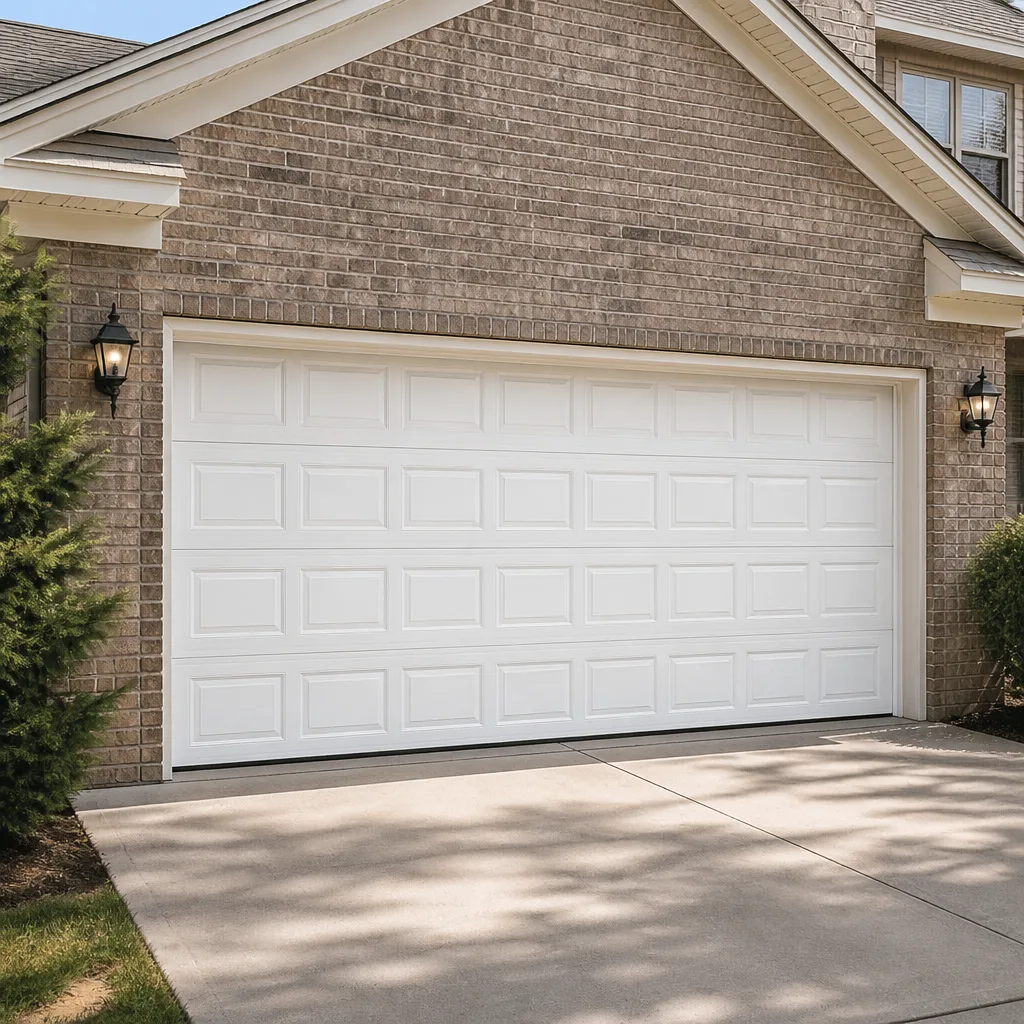 Raised-panel steel
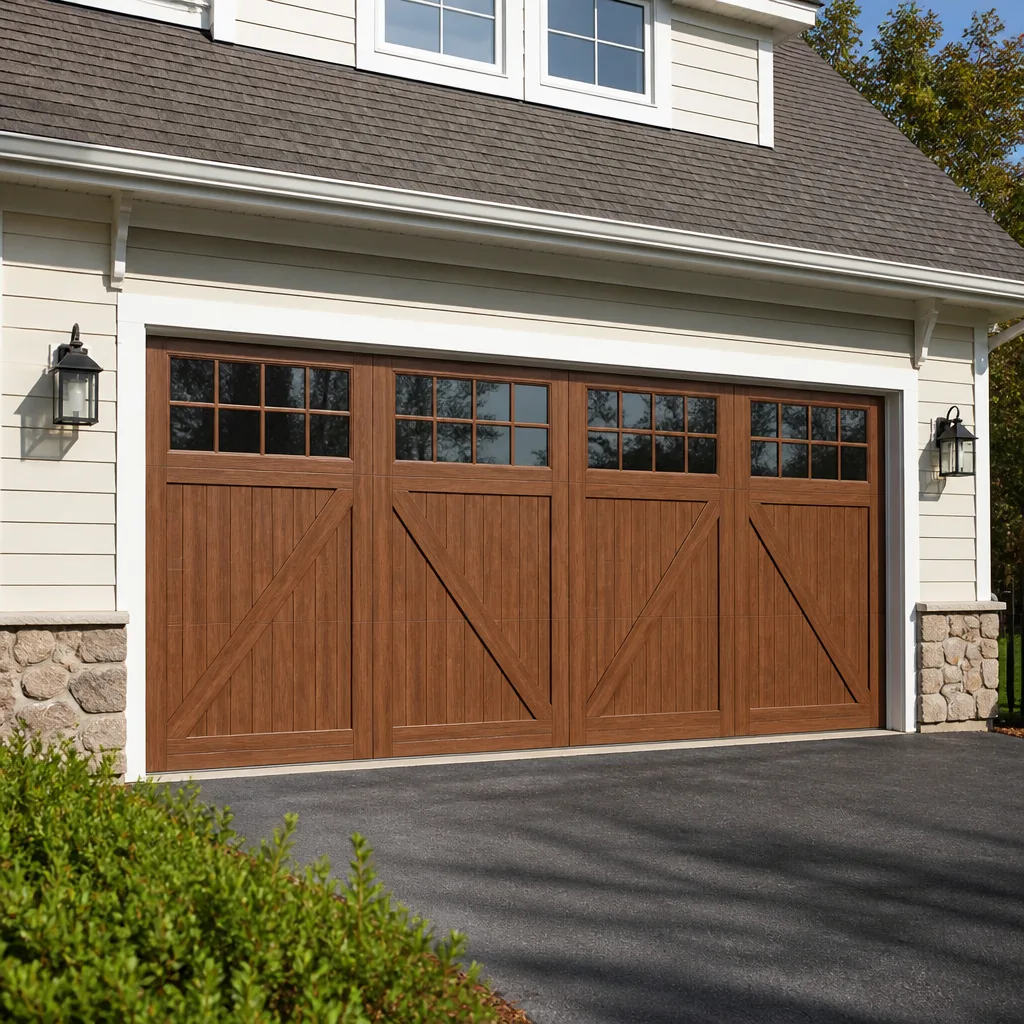 Carriage house
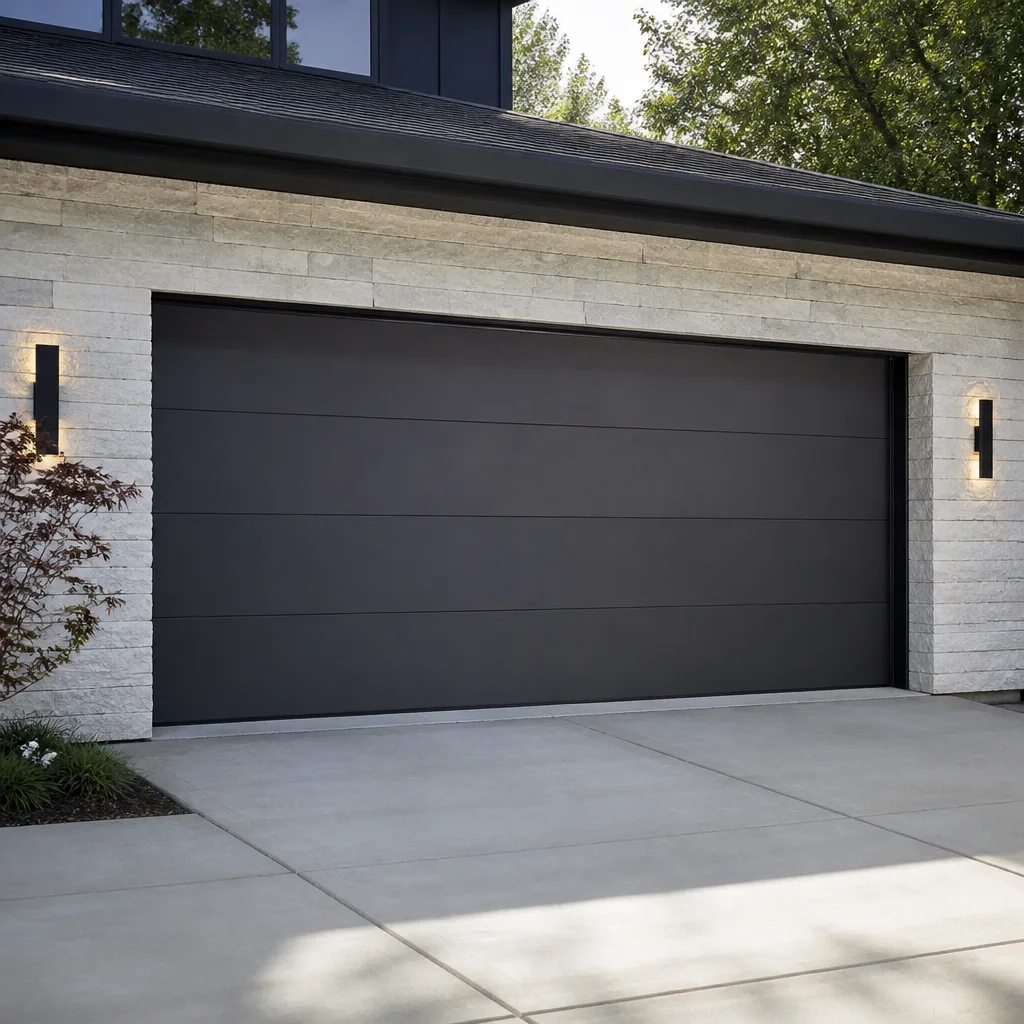 Modern flush
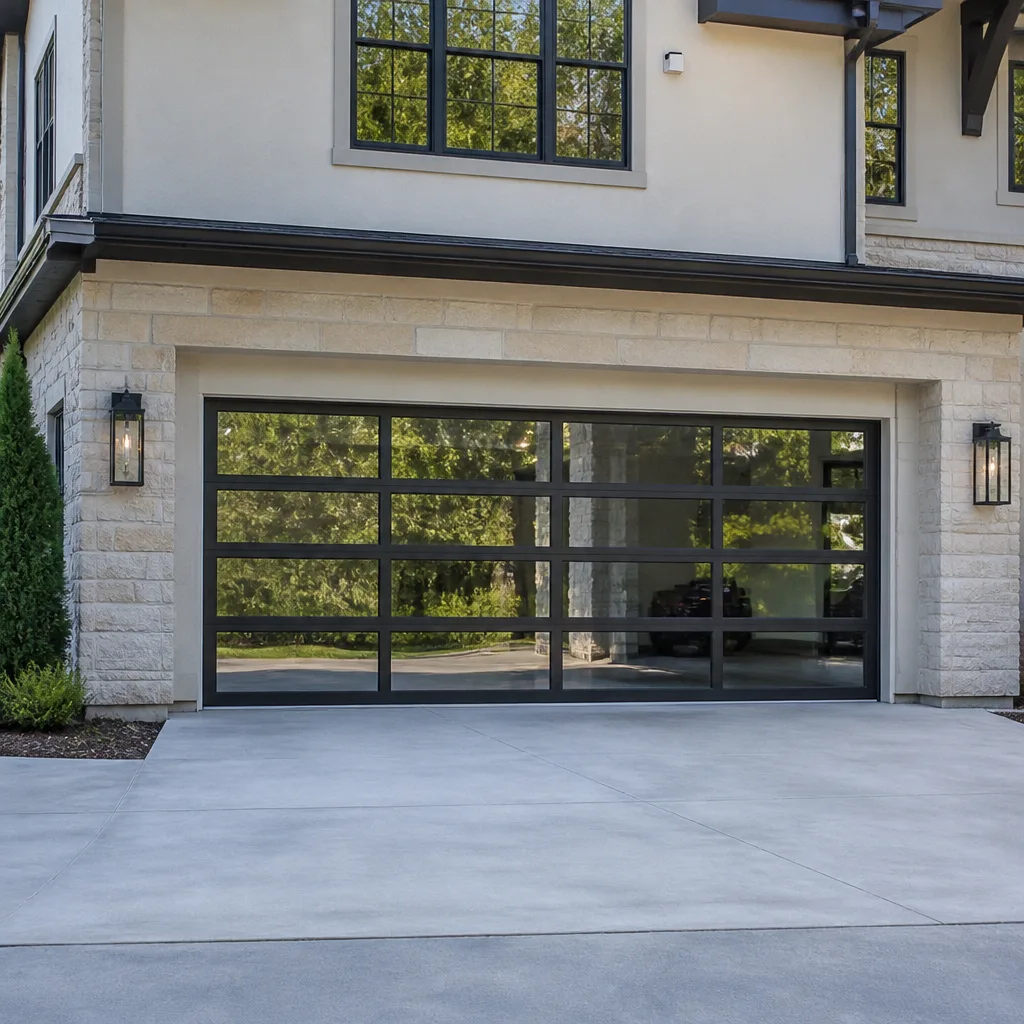 Full-view glass
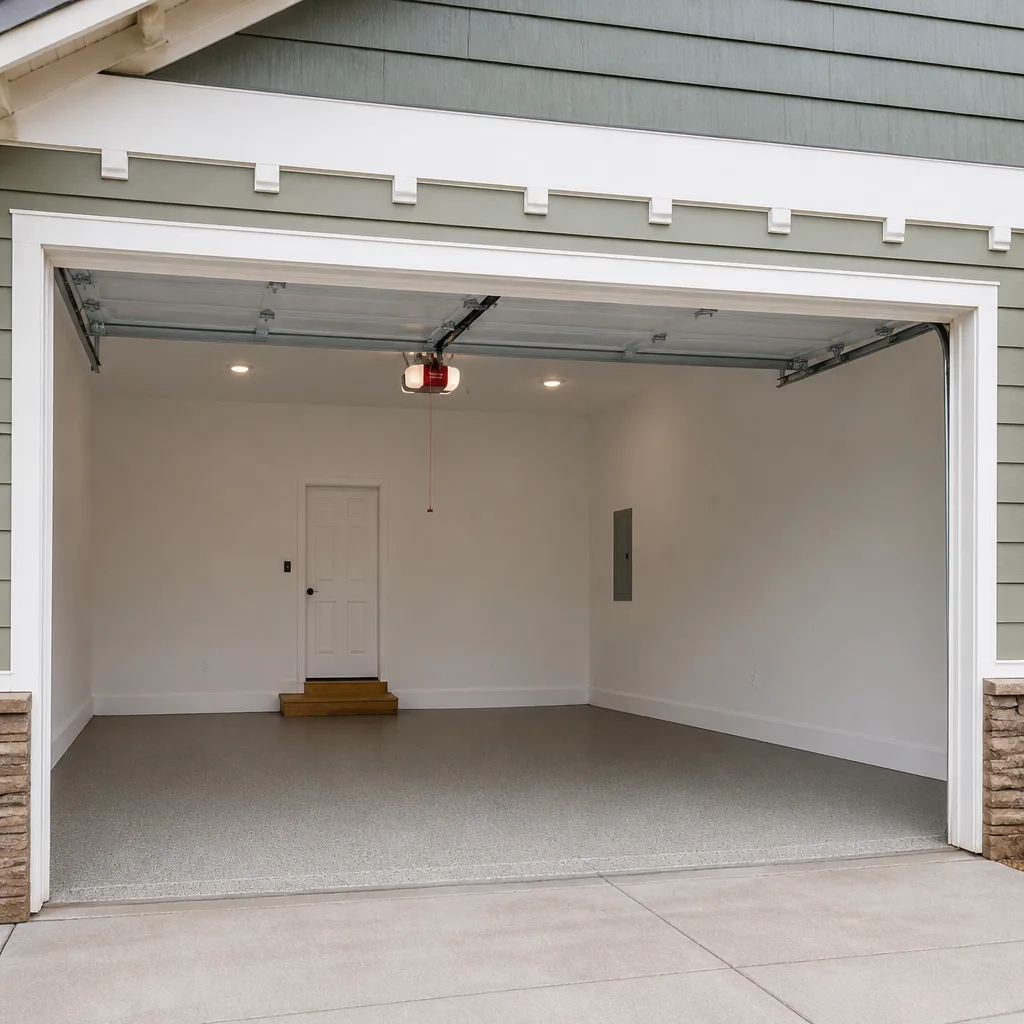 LiftMaster openers
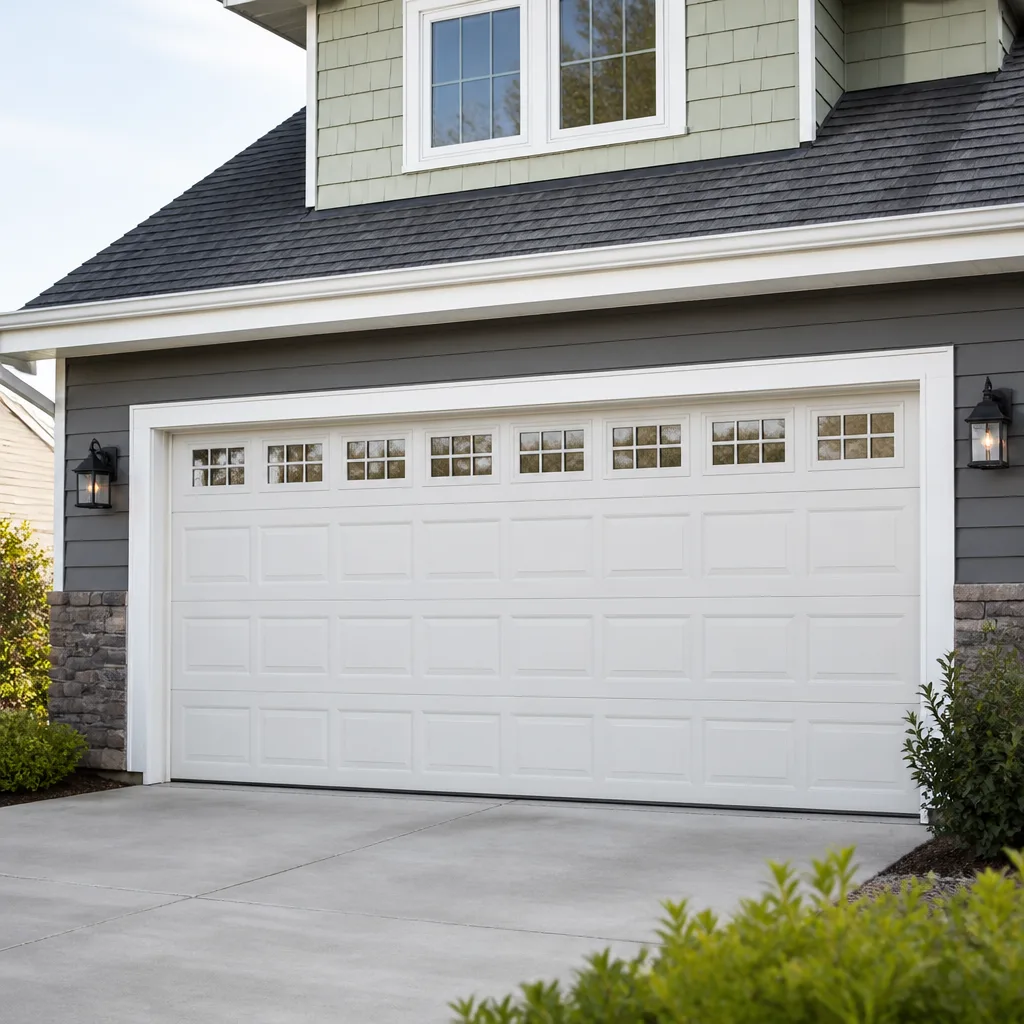 Chamberlain openers
Full 25-point door and opener safety check with every visit - springs, cables, rollers, tracks, and your LiftMaster or Chamberlain opener included
You get a price before we start. It does not change when the pro arrives.
Get your free estimateDIY vs Professional Garage Door: The Ashburn Homeowner’s Decision Guide
Most homeowners think the DIY-or-professional question comes down to confidence. It doesn’t. It comes down to physics. A torsion spring holds hundreds of pounds of stored force, and when it fails under load there’s no reaction window – the release is instant and the energy goes wherever the metal points. That’s why garage door work is less one repair category than a stack of very different jobs with very different risk profiles. Some parts you can safely handle this afternoon. Others can put you in the emergency room before you understand what went wrong. This guide draws those lines component by component, so you can decide what to tackle yourself in Ashburn and what genuinely belongs in the hands of a trained technician.
Quick Answer
For Ashburn homeowners, the safe DIY line sits at rollers, hinges, lubrication, weatherstripping and opener programming. Torsion springs, extension springs, cables, and any work on a door panel under tension are professional-only, full stop. Everything in between – track realignment, opener motor replacement, panel swaps – depends on your tools and comfort level, and a free written estimate is the fastest way to decide whether it’s worth it.
Styles & brands we work with
- Raised-panel steel
- Carriage house
- Modern flush
- Full-view glass
- LiftMaster openers
- Chamberlain openers
Table of Contents
- The Component-by-Component Risk Matrix
- Why Springs and Cables Are Never a DIY Job
- What a Realistic DIY Job Actually Requires
- How DIY Repairs Void Brand Warranties
- When a DIY Repair Creates a Bigger Bill
- The Genuine DIY Wins: Lubrication, Limits, and Weatherstripping
- Ashburn’s Climate and Your Garage Door
- Common Mistakes to Avoid
- When to Call a Professional
- Frequently Asked Questions
The Component-by-Component Risk Matrix
Homeowners tend to sort garage door repairs by “does it look hard” instead of “what happens if it goes wrong.” That’s the wrong filter. What matters is how much stored energy a part carries, how much door weight sits on top of it, and whether a mistake has a second-chance window. Use this matrix before you touch anything.
- DIY-viable: rollers, hinges, lubricant, weatherstripping, photo-eye alignment, opener remote pairing, travel limit adjustment on a smart opener.
- DIY with real caveats: panel replacement on a single-car door, track bolts on an untensioned door, opener motor or belt swap. Doable with help, but the risks around door weight and spring tension are real.
- Professional-only: torsion spring replacement, extension spring replacement, cable replacement, drum work, bottom bracket work, any work that requires releasing spring tension.
The bottom bracket and cable setup is the piece people underestimate. Releasing a cable under proper spring tension isn’t a matter of strength – the energy releases whether you’re braced for it or not, and the cable itself can whip. That’s the line that separates a weekend project from a call to a specialist.
Where a garage door fails in Ashburn often tells you which category you’re in. Doors in neighborhoods like Broadlands and Brambleton see heavy daily cycling from morning and afternoon commutes, so rollers and hinges wear first. Doors on the older side of town near Old Ashburn can show more opener and panel wear. The parts that wear fastest are usually the ones that are safe for you to replace yourself.
Why Springs and Cables Are Never a DIY Job
Torsion springs store the counterbalance force for the entire door. When a torsion spring lets go, the release is instant and the energy travels through the shaft, the cable, and anything in the path. There’s no slow warning, no creak-then-snap sequence you can step away from. That’s why spring work is our core specialty and why every technician here treats it as dangerous work, not routine maintenance.
The failure mode is what makes it different from other home repairs. A bad electrical connection trips a breaker. A bad plumbing joint drips. A failed spring under tension releases force all at once, and the door becomes a falling weight of 85 to 130 lbs or more depending on size and material. If you’re under it when it comes down, no amount of confidence helps.
Extension springs carry similar risk with a different geometry – the spring runs along the horizontal track above the door, and when it breaks it whips toward the nearest end of the track. Old-style extension springs without containment cables are dangerous even sitting still, because a failure can send metal across the garage.
Cables deserve the same respect. They’re always in tension, they run over sharp drums, and they’re the part most likely to catch a hand or wrist during a repair. Ask yourself honestly: if the door drops while you’re resetting a cable, what stops it? If the answer is “nothing,” stop and call us. Spring and cable work is exactly the kind of job where a trained technician uses the right winding bars and door-blocking techniques to bring the system down to zero energy before anything is touched.
What a Realistic DIY Job Actually Requires
Before you start a garage door project, price the honest cost of doing it yourself – tools, time, and the physical strength needed to manage door weight safely. It’s more than most guides admit.
- Tools. A proper socket set, a set of winding bars if you’re touching springs (which you shouldn’t), locking pliers, a drill, a level, and C-clamps to lock the door on the track. Missing one tool usually means a second trip to the hardware store while the door sits half-disassembled.
- Physical capability. Replacing a section of a 16×7 steel door panel means handling 85 to 130 lbs of awkward, wide, top-heavy material above your head. Two people minimum for a single-car door, more for a double.
- Time. A roller and hinge swap on a double door is 60 to 90 minutes if everything threads cleanly. A weatherstripping replacement is 30 to 45 minutes. Opener programming is 10 to 20 minutes. Anything involving panels or openers is a half day.
- A second person. Nearly every job beyond lubrication needs one.
If any of those four items is missing, the honest calculation changes. We work on Ashburn doors every day, and the most common reason homeowners end up calling for garage door repair is that a “small” project turned into a stuck door because a part came off and the door couldn’t be closed. A free written estimate costs nothing. A door that’s stuck open overnight costs you plenty.
How DIY Repairs Void Brand Warranties
Manufacturer warranties on garage door systems are conditional. Clopay, Amarr, Wayne Dalton, and LiftMaster all tie coverage to proper installation and service, and non-certified work on a door or opener typically voids the manufacturer’s warranty on the affected parts. That’s a real cost, and it’s not the one most homeowners think about first.
The common scenarios where it bites:
- Panel replacement. Clopay and Amarr panels are matched to specific door models, and installing a replacement panel yourself can void coverage on the panel and on adjoining sections if the fit isn’t right.
- Opener installation. LiftMaster and Chamberlain openers require proper installation to preserve the factory warranty. Pairing and programming are safe. Mounting and wiring a new opener yourself can void coverage if the unit fails later.
- Spring replacement. Any spring work performed by anyone other than a qualified technician voids coverage on the spring and can complicate coverage on the door.
If your door still carries a factory warranty, check it before you start. A 30-minute call to us can confirm what brand and model you have and whether the repair you’re planning is covered or voids coverage – it’s a conversation, not a sales push. We work on LiftMaster, Chamberlain, Genie, Clopay, Amarr, Wayne Dalton, Craftsman, and Raynor systems specifically, so we can usually tell you in a couple of questions.
When a DIY Repair Creates a Bigger Bill
Some DIY repairs work out fine. Others create a more expensive professional repair than if the homeowner had called first, because the original problem was small and the secondary damage wasn’t. Here’s what that looks like in practice.
Mis-adjusted travel limits. A smart opener’s travel limits control how far the door opens and closes. Set them too tight and the door stalls every cycle, which puts stress on the opener gear and eventually strips it. Repairing a stripped gear plus resetting limits costs more than the limit reset alone. Set them too loose and the door slams the floor, which can damage panels.
Force settings dialed up. When a door feels heavy, a homeowner sometimes turns up the force setting on the opener. That works until the door meets an obstruction – a pet, a toy, a person – and the opener pushes through instead of reversing. It’s the single most dangerous adjustment a homeowner can make on an opener and it’s the one we undo most often.
Cross-threaded track bolts. Track work looks straightforward until a bolt strips the track. A new section of track plus a realignment is a bigger job than the initial issue.
Rollers installed backward. Nylon rollers have a correct orientation. Installed wrong, they wear against the track and create noise, vibration, and eventually a damaged track.
None of those are disasters, but each one turns a 15-minute fix into a 90-minute visit. When you’re ready for the professional version of the repair, that’s where Ashburn Garage Door Repair Pros comes in.
The Genuine DIY Wins: Lubrication, Limits, and Weatherstripping
Here’s the honest version: three jobs on any garage door are worth doing yourself, and doing them twice a year saves you real money over time. This is the one area where we’d rather teach you than come out for it.
Lubrication. Use a white lithium spray or a dedicated garage door lubricant – not WD-40, which is a solvent, not a lubricant. Spray the hinge pivot points, the roller bearings (not the roller surface itself), the torsion spring coils, and the track. Do the cycle test afterward: door up, door down, listen for squeaks and groans. If it’s quiet, you’re good. Order:
- White lithium grease or a purpose-made garage door lube (any auto parts store or hardware store carries it)
- No part numbers needed here – this is a lube job
Travel limit adjustment on a smart opener. LiftMaster and Chamberlain units have limit settings you can adjust from the wall control or the app. If the door stops 3 inches before the floor or slams at the bottom, the limits need adjusting. Follow the manufacturer’s instructions exactly, and never raise the force setting to compensate – that’s a safety override, not a fix. If you have a Genie or Craftsman unit, the instructions are in the manual.
Weatherstripping. The bottom seal and the perimeter seal wear out faster in Ashburn than most homeowners realize because of our temperature swings. Replace the bottom seal with a universal 2-inch or 3-inch vinyl or rubber seal matched to your door’s retainer, and replace the perimeter stops with a standard stop-molding product. Look for Clopay replacement seals if you have a Clopay door – the fit is easier with a matched product. Weatherstripping is DIY all day.
If you’re doing the opener work and the programming won’t hold, that’s an opener issue worth a call. Our garage door opener repair covers the majors, including LiftMaster, Chamberlain, Genie, and Craftsman.
Ashburn’s Climate and Your Garage Door
Ashburn’s climate pushes garage doors harder than the climate in a milder market. Summer humidity swells wood components and stresses steel tracks; winter cold contracts metal and stiffens grease; spring and fall bring the temperature swings that wear weatherstripping and cycle springs more often than the calendar suggests.
What that means for a homeowner deciding between DIY and professional work:
- Springs cycle. Each open-and-close cycle is one spring cycle. Doors in Ashburn with two drivers and one garage door can run 1,500 or more cycles a year, which is why our spring work is a named service and not a side job. When a spring reaches the end of its cycle life, it breaks – most often in a cold snap.
- Weatherstripping wears. Our humidity and sun exposure take a toll on vinyl and rubber seals. Replacing them every couple of years keeps water, insects, and cold air out.
- Panel finish wears. Painted steel panels fade and chip in strong sun. A touch-up pen on chips prevents rust from taking hold at fascia edges.
- Openers work harder. A cold-morning opener faces a stiffer door, so a marginal opener fails on the coldest morning of the year. That’s not random – it’s predictable.
None of that changes the risk math on springs and cables. But it does mean the safe DIY list – weatherstripping, lubrication, seals – matters more here than it does in a mild climate. If you’re replacing a door rather than maintaining one, the climate question is bigger: a matched R-value, insulated door helps in Ashburn’s cold winters. That’s a conversation for a proper measurement. Our garage door installation gets scheduled after a free in-home measure and a written price, not before.
Common Mistakes to Avoid
- Adjusting the force setting to overcome a heavy door. The force setting on your opener is a safety feature, not a workaround. Raising it to get a sticky door moving is the most dangerous adjustment you can make – if the door meets an obstruction, the opener pushes through instead of reversing.
- Skipping the cycle test after any repair. Before you call it done, run the door up and down a few times and check the auto-reverse by placing a 2×4 flat on the floor in the door’s path. If it doesn’t reverse on contact with that, it’s not safe to leave as-is.
- Using the wrong rollers on a lightweight door. Nylon rollers are the right choice for most residential doors. Steel rollers are noisy and can wear the track faster. Buy the right type for the door, not the cheapest available.
- Ignoring a slow or grinding opener. In Ashburn’s summer humidity, an opener that starts grinding or hanging is telling you something. Most repair cost is small when it’s a belt or a gear; leave it and the fix grows.
- Lubricating the roller surface. The roller surface should stay dry – it needs to roll on the track, not slide. Lube the bearing, not the wheel, and never grease the inside of the track.
- Replacing one spring of a matched pair. If one spring breaks, the other has lived the same life and is likely to fail within weeks of the new one. Springs come in matched pairs, and a pair costs about twice a single spring. Replacing both at once is the right call.
- Disconnecting the opener and forgetting it. If you pull the manual release to move a stuck door, that opener stays disconnected until you re-engage it. Forget it and the next time you press the remote, nothing happens. Re-engage the release as soon as the door is fixed.
When to Call a Professional
Call a professional for any repair that involves torsion springs, extension springs, cables, drums, bottom brackets, or anything that requires releasing spring tension. Call for any job where the door’s weight is a factor you can’t manage with help. Call when a smart opener starts doing something unpredictable – travel limits that won’t hold, force settings that keep tripping, remotes that pair but the wall control doesn’t. Call for a door that won’t open all the way, or won’t close. Call for any panel replacement on a two-car door. Call for a full door replacement – a new door is measured, ordered, and scheduled, not done same-day.
For the repair list above, a technician can usually be on-site fast. Spring failures are the most common emergency call in Ashburn and the most urgent, because a door stuck open overnight on a busy street is a security problem as well as a convenience one. Our garage door repair service is built around that call.
Ashburn Garage Door Repair Pros offers free estimates in Ashburn – call (855) 658-3404. We answer 24/7. Fast dispatch from 7am to 7pm, Sunday through Friday. The price is agreed in writing before any work starts, so you know exactly what you’re paying for after the technician has seen the door.
Frequently Asked Questions
No. Torsion springs and extension springs are under enough stored force to cause serious injury or death when released, and there’s no safe margin for a homeowner working without training and proper tools. Call a professional – this is the one line we never soften.
Yes, if the door is untensioned or you can safely lower it to the closed position and lock it there first. Replacing rollers is one of the easier DIY jobs on a garage door. Order nylon rollers matched to your track size, replace one at a time, and re-engage the door carefully. If the door feels unstable at any point, stop and call us at (855) 658-3404.
Spring replacement is priced per job by the written estimate, and a matched pair usually costs about twice a single spring because both springs are replaced together. We don’t quote a price until we’ve seen the door, but the estimate is free. Call (855) 658-3404 for an exact quote.
Usually, yes. Clopay, Amarr, Wayne Dalton, and LiftMaster all tie their factory warranties to proper installation and service, and non-certified work on the door or opener typically voids coverage on the affected parts. Check your warranty before you start a repair yourself, and call us if you’re not sure what’s covered.
Sometimes. A repair done incorrectly – a force setting raised to compensate for a sticky door, a travel limit adjusted wrong, a panel installed backward – can turn a small job into a bigger one. It’s not a penalty; it’s just the extra work. We diagnose the door as it sits now and quote the fix.
Any work on the torsion spring, the cable system, or the bottom bracket. Those are the three parts of a garage door that carry enough stored force to cause a serious injury in the time it takes to react. Everything else on the door has some margin. Those three don’t.
Yes. Pairing a remote, adjusting travel limits, and connecting a Wi-Fi opener to your app are all safe for a homeowner to do. Follow the manufacturer’s instructions exactly and never touch the force setting to compensate for a door that feels heavy – that’s what voiding the auto-reverse means. If the programming won’t hold, that’s an opener fault worth a call.
Most cities require a permit for structural changes to a home, including some garage door replacements, so ask the Town of Ashburn’s building department before scheduling work. We can tell you what the job involves; the permit question belongs with the city.
The Bottom Line
The DIY-or-professional decision on a garage door comes down to one question per component: what happens if it fails while I’m standing there? Rollers, hinges, weatherstripping, lubrication, and opener programming all fail safely – you’ll stop, notice the problem, and call someone. Springs, cables, drums, and bottom brackets don’t fail safely, so they’re never a homeowner job regardless of confidence. Everything else sits in the middle and comes down to tools, help, and time. When in doubt, get the free estimate and let the written price decide for you – it’s the cheapest step in the whole process.
For the jobs that are yours, we’re glad to leave them with you. For the ones that aren’t, call (855) 658-3404 for a free estimate in Ashburn. We answer 24/7. Fast dispatch from 7am to 7pm, Sunday through Friday.
Written by the team at Ashburn Garage Door Repair Pros.
See the difference
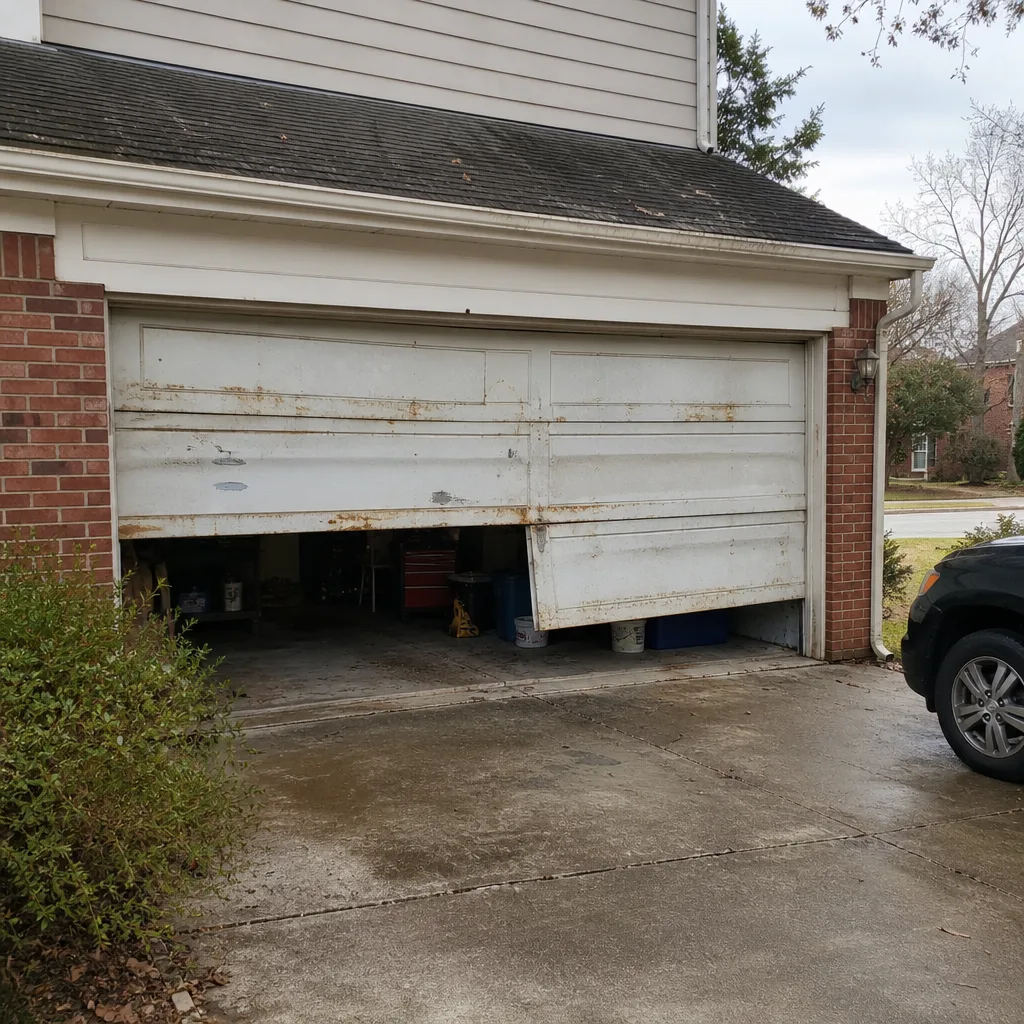 Before
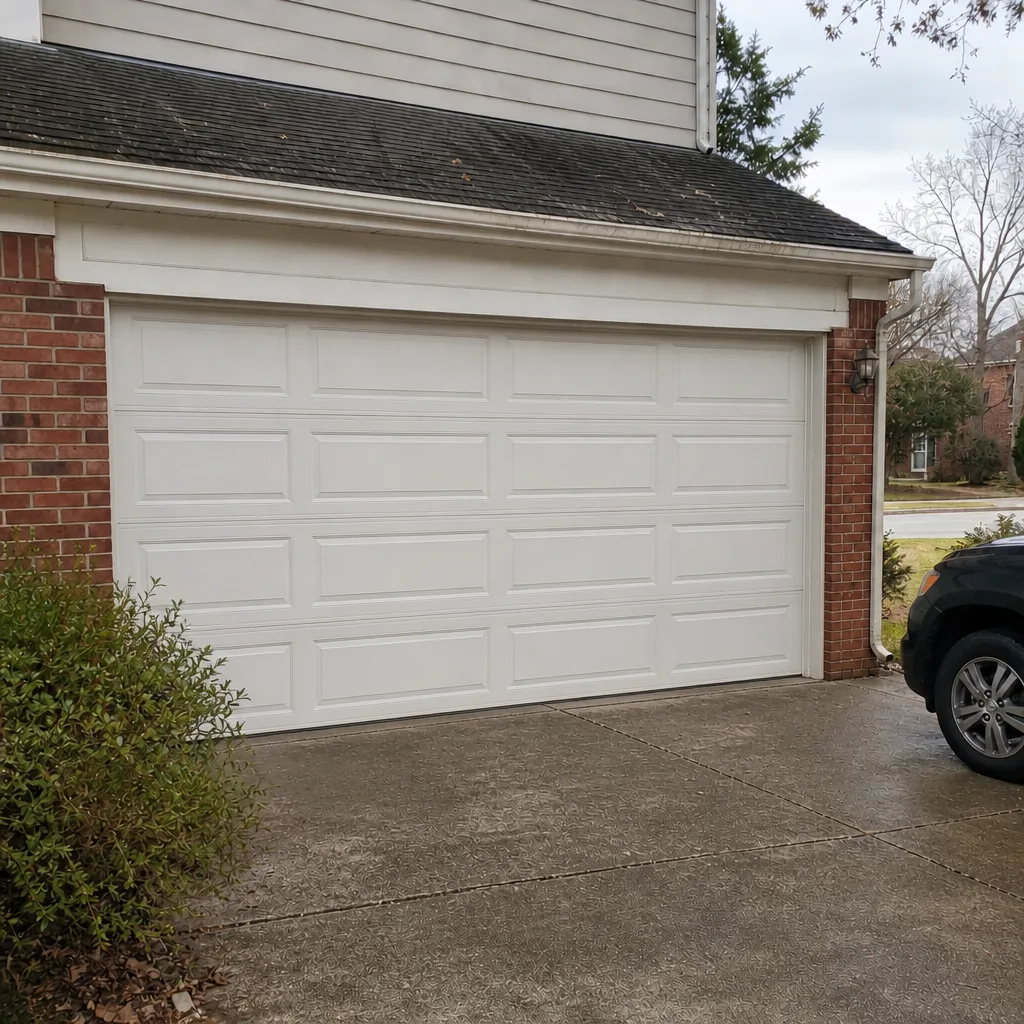 After
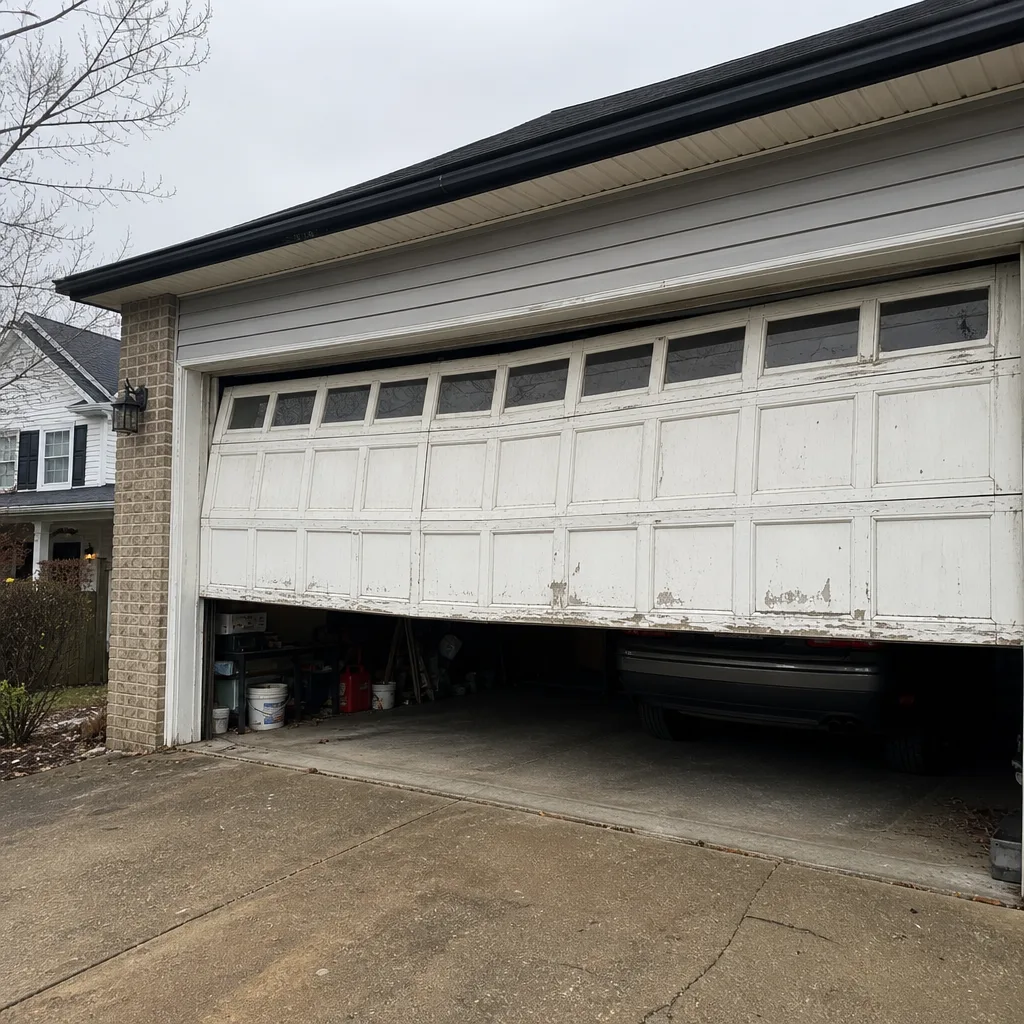 Before
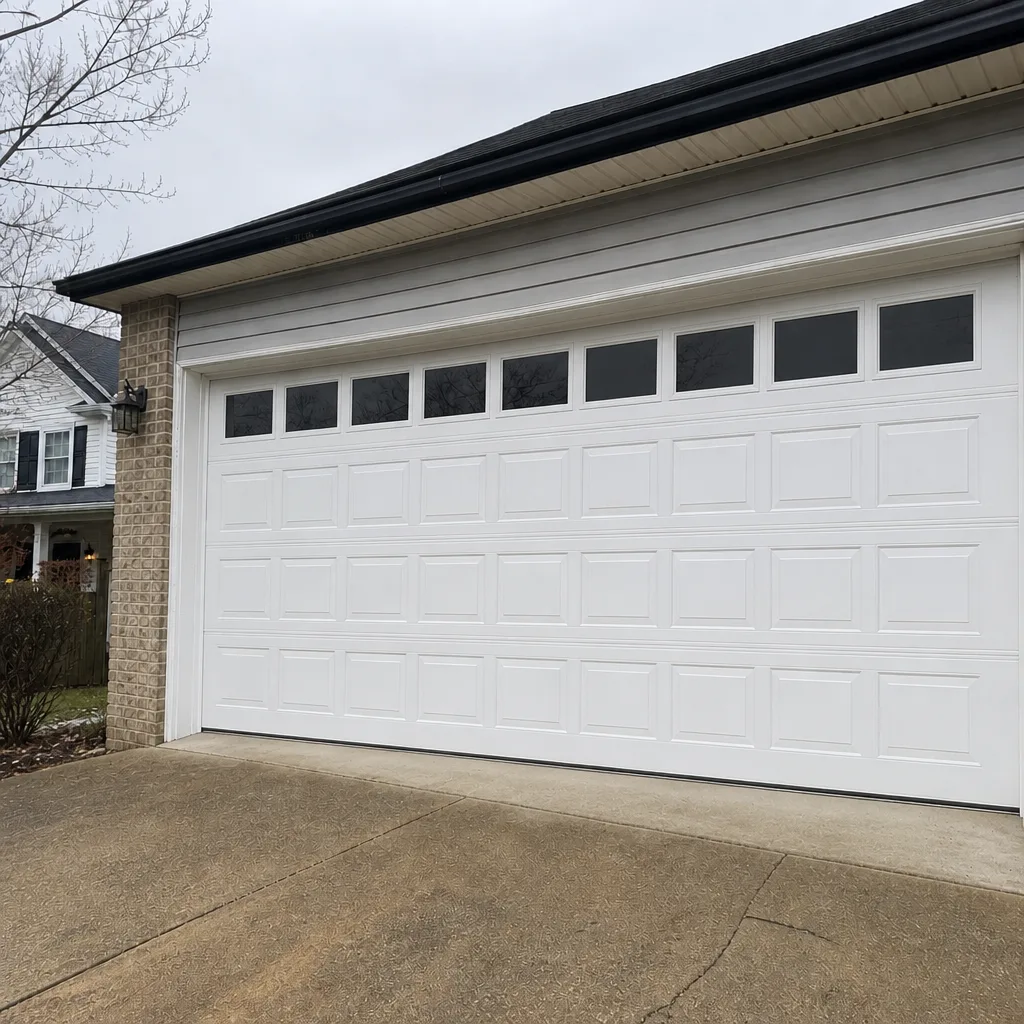 After
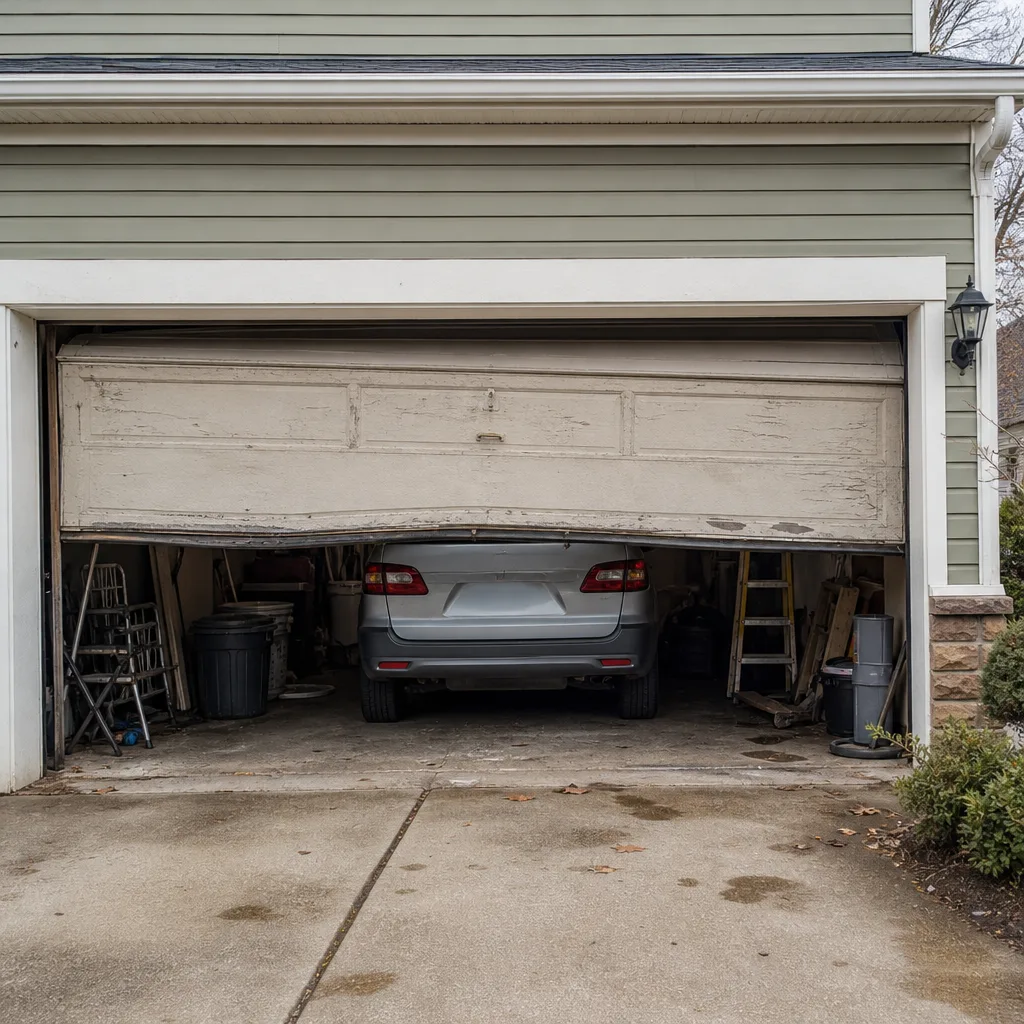 Before
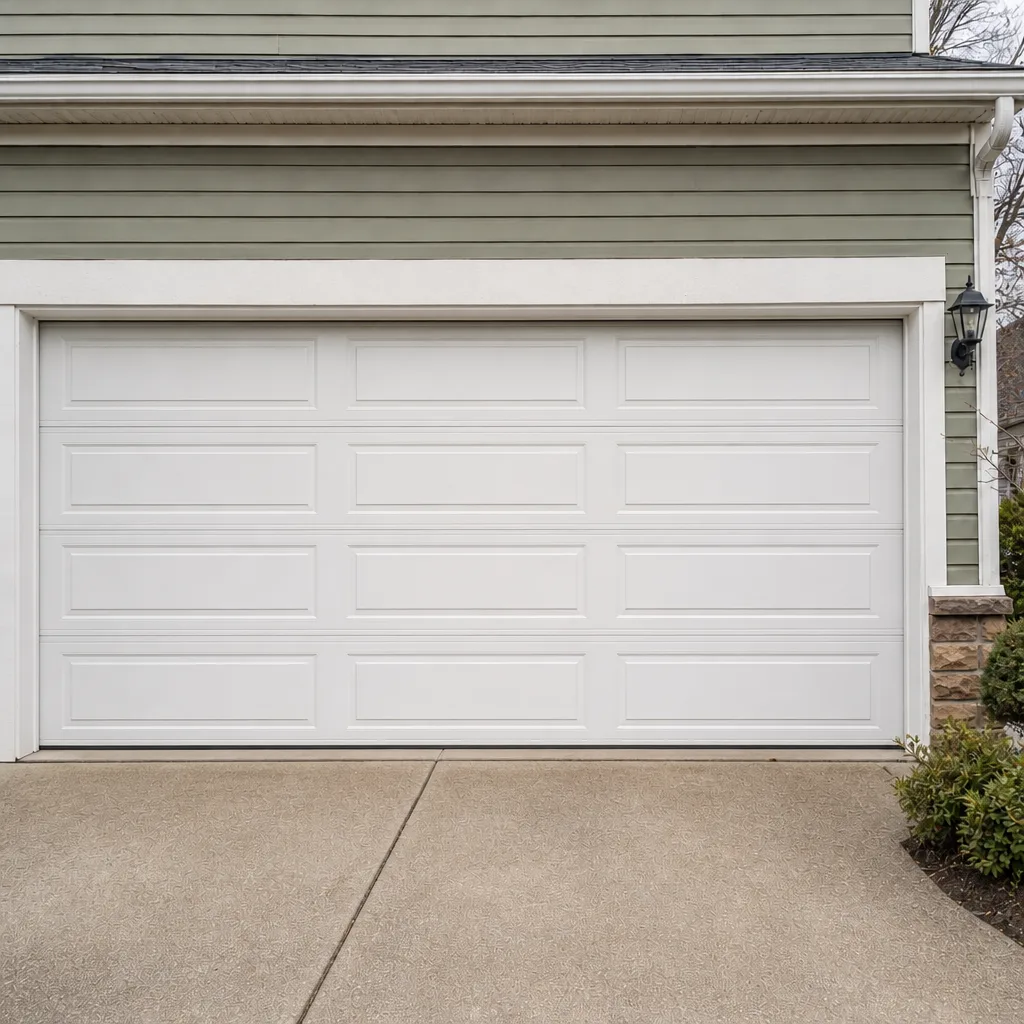 After