
Last updated November 23, 2026
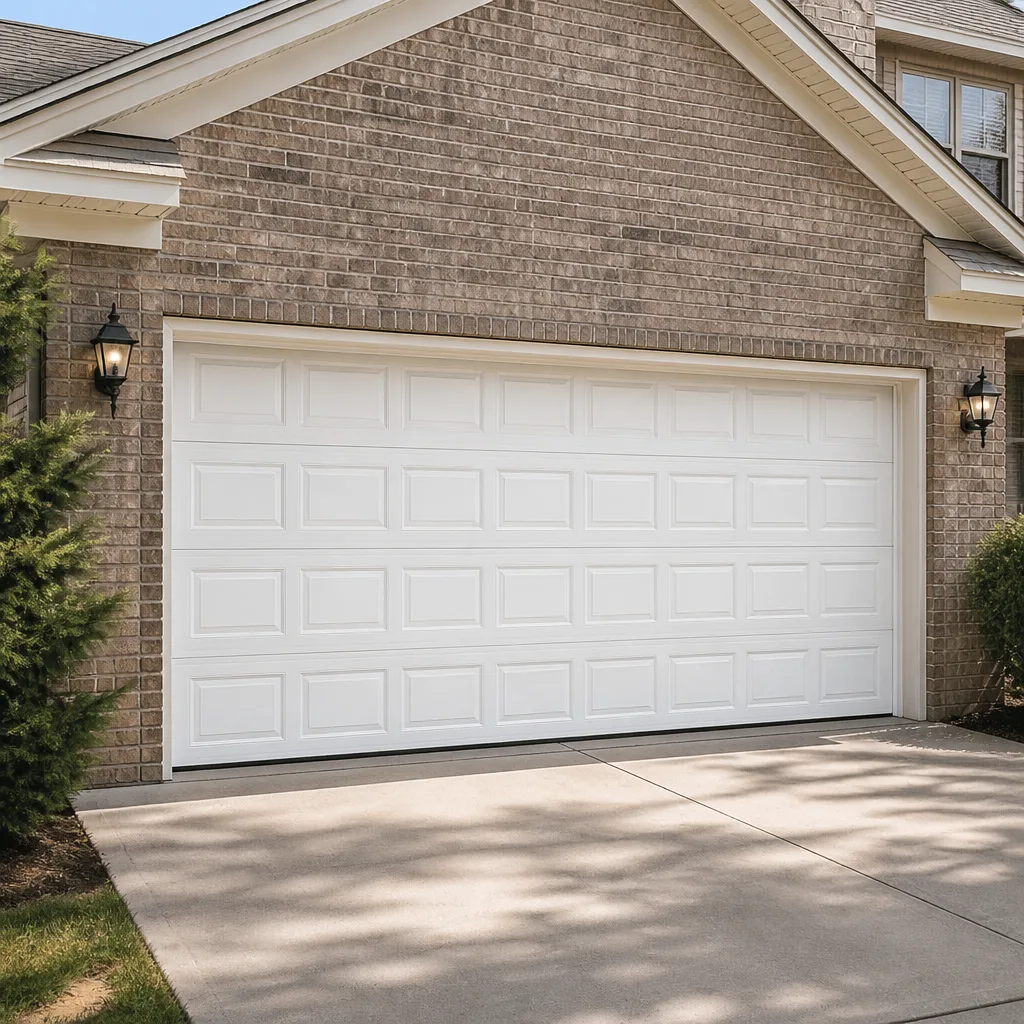 Raised-panel steel
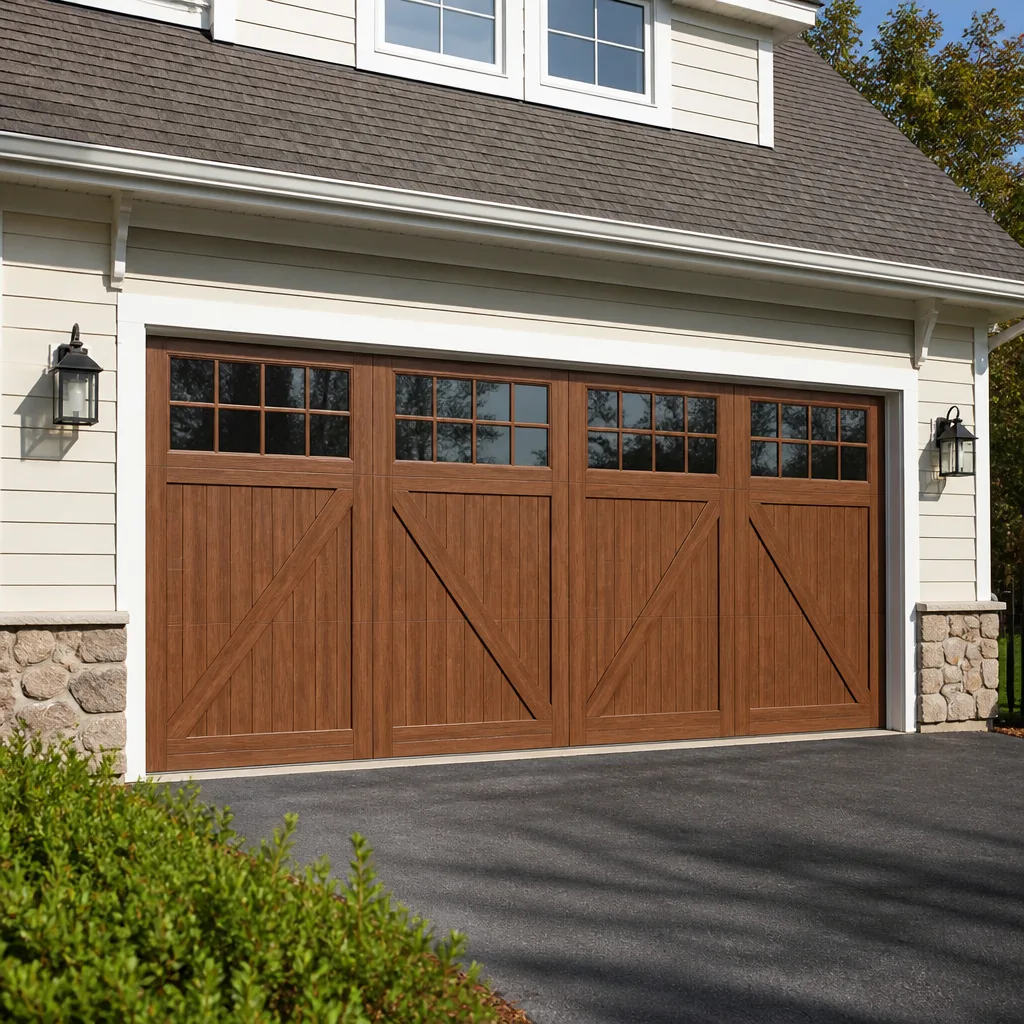 Carriage house
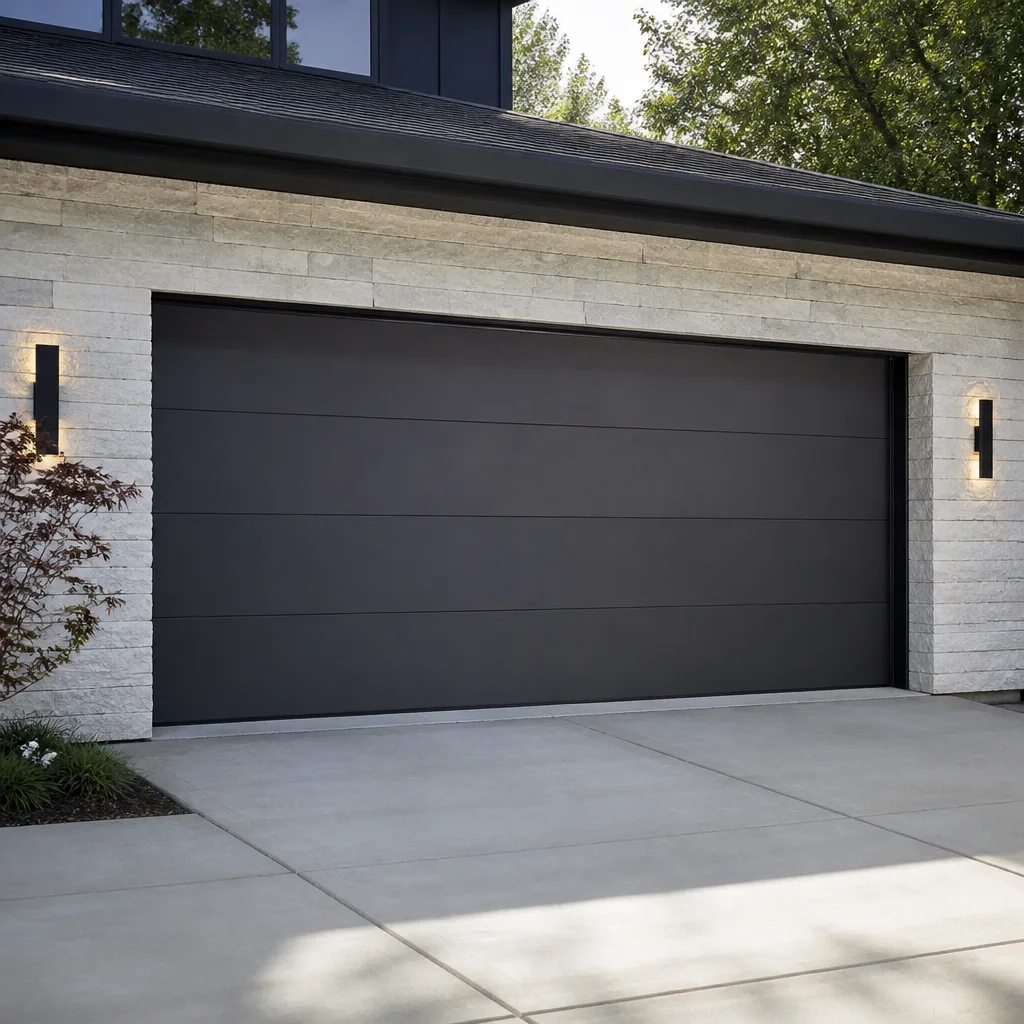 Modern flush
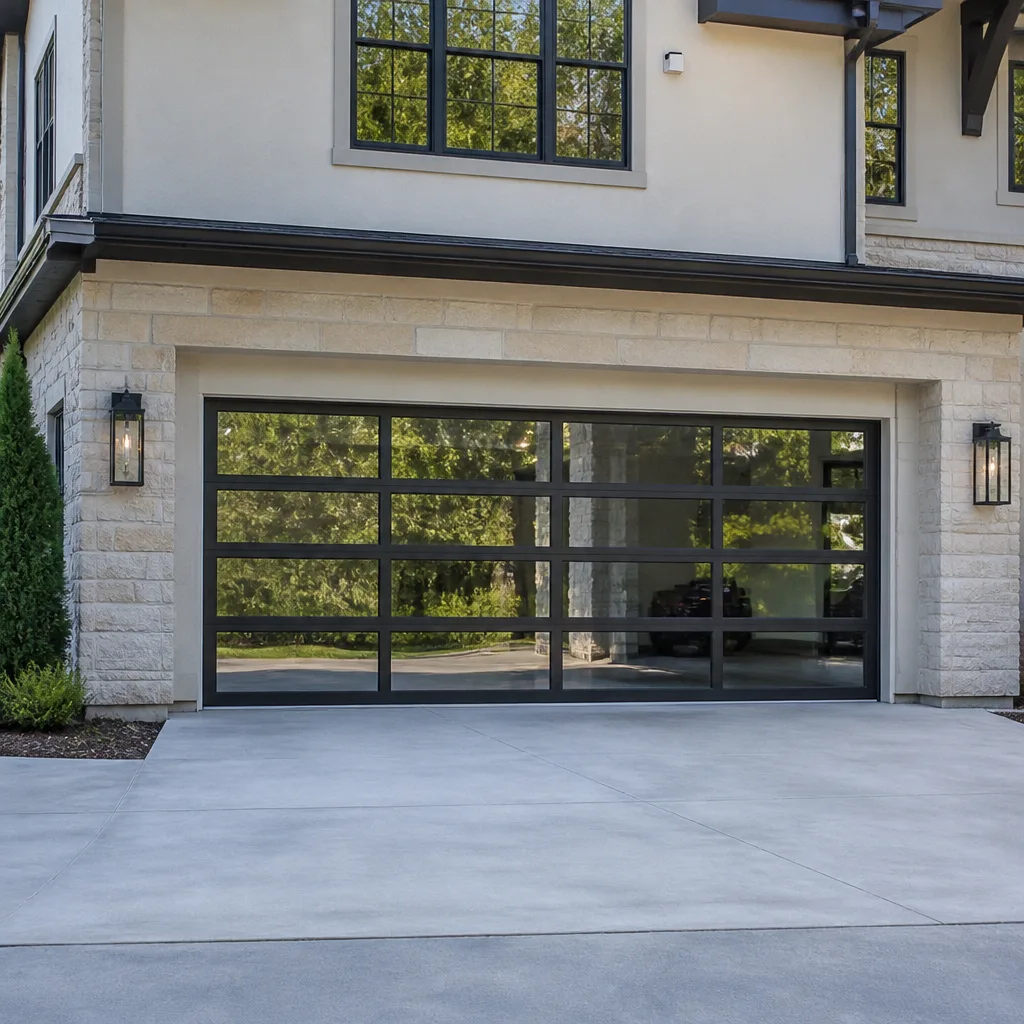 Full-view glass
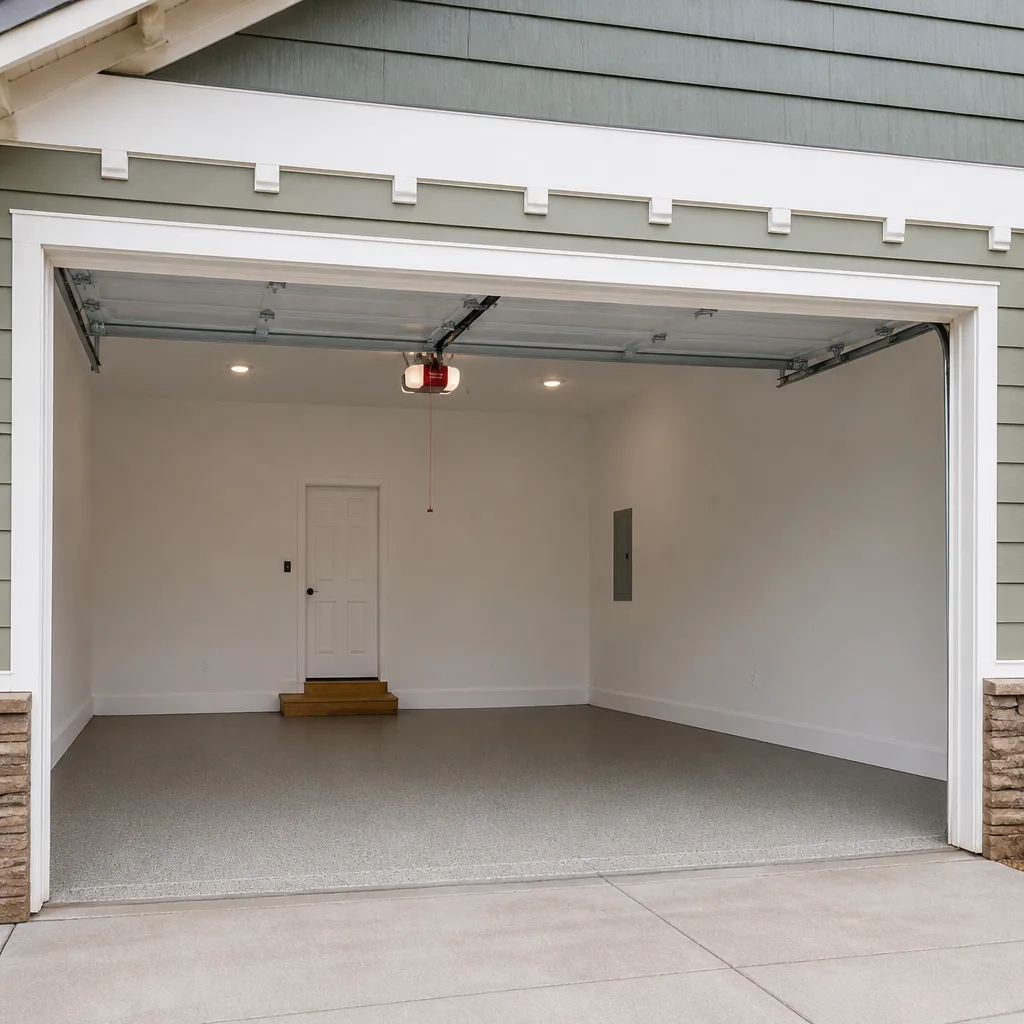 LiftMaster openers
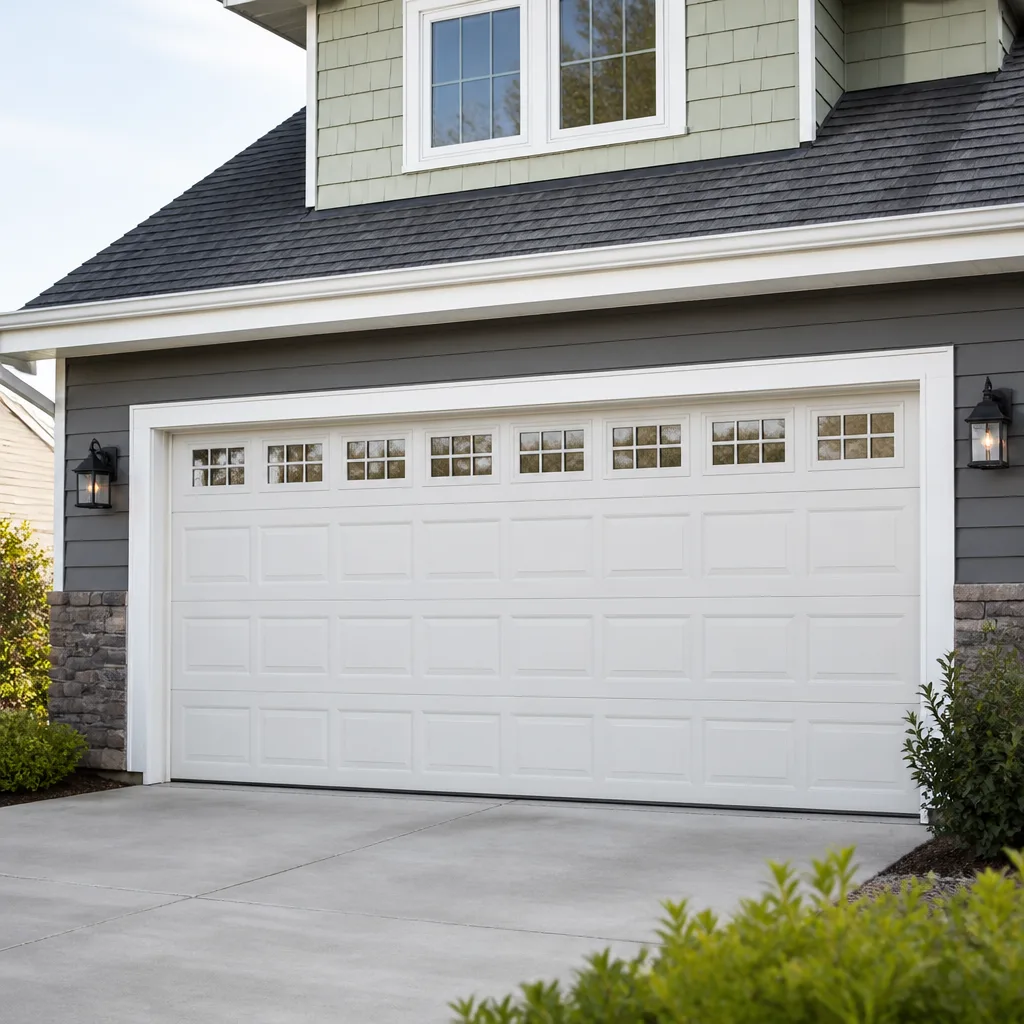 Chamberlain openers
Full 25-point door and opener safety check with every visit - springs, cables, rollers, tracks, and your LiftMaster or Chamberlain opener included
You get a price before we start. It does not change when the pro arrives.
Get your free estimateGarage Door Permits, Codes & Inspections in Ashburn, VA: What You Need to Know
Most Ashburn homeowners assume replacing a garage door is a tool-and-time job with no paperwork attached. That assumption is the one that causes trouble. In Loudoun County, some garage door work needs a building permit and some doesn’t, and the line between them runs through structural framing, not the door itself. A like-for-like panel swap on the same track is one thing. A full door and frame replacement, or any change to the header or structural opening, is another. This guide maps exactly where that line falls, what the Virginia Uniform Statewide Building Code says, how inspection actually works around Ashburn, and why a missing permit can surface years later at the worst possible moment. We work on Ashburn Garage Door Repair Pros projects every week, and the permit question comes up constantly.
Quick Answer
In Loudoun County, a garage door permit is generally required when you replace the entire door and its framing, alter the structural opening or header, or install a new automatic opener on a door that didn’t have one; a straight like-for-like swap of a door onto existing, unaltered tracks and springs usually does not need one. Work is reviewed under the Virginia Uniform Statewide Building Code, which Loudoun County enforces locally. The county’s building department makes the final call, so confirm before you buy. If you’re unsure whether your project crosses the line, request the permit anyway. It’s cheaper than resolving unpermitted work later.
Styles & brands we work with
- Raised-panel steel
- Carriage house
- Modern flush
- Full-view glass
- LiftMaster openers
- Chamberlain openers
Table of Contents
- When Does Loudoun County Require a Permit for Garage Door Work?
- What Virginia Building Code Sections Apply to Garage Doors and Openers?
- How Does the Inspection Process Work in Loudoun County?
- How Unpermitted Garage Door Work Shows Up During a Home Sale
- The HOA Overlay: Brambleton, Broadlands, and Other Ashburn Communities
- Automatic Openers, Safety Reverse, and What Inspectors Look For
- How to Fix Unpermitted Work After the Fact
- Ashburn-Specific Considerations: Climate, Housing Age, and Door Types
When Does Loudoun County Require a Permit for Garage Door Work?
Three scenarios decide it: a full replacement, a like-for-like swap, or structural frame modification. Each lands in a different place under the Loudoun County building code.
Full replacement (door plus frame). Pulling the existing door and replacing it along with the frame, header, or structural opening counts as alteration of the building envelope. That generally triggers a permit. Anything that touches the load path over the opening falls into this category.
Like-for-like swap. Same size door, same tracks, same spring setup, no change to the frame. In most Ashburn homes this is treated as a repair or cosmetic replacement and doesn’t need a permit. This is the most common job we handle, and it’s part of routine garage door repair work.
Structural frame modification. Widening the opening, raising the header, cutting into a load-bearing wall above the door, or converting a garage opening into something else. Any of these is a permit-required project and usually needs an engineer’s input.
- Replacing a single section or panel: no permit in most cases.
- Replacing springs, cables, or rollers: no permit.
- Replacing the opener on existing wiring: no permit.
- Replacing the entire door with a different size: permit and inspection.
- Altering the garage opening for a taller or wider door: permit, and often a structural review.
- Adding an automatic opener where none existed and running new electrical: consult the county; electrical work may need its own permit.
The Loudoun County building department in Leesburg is the authority here. A five-minute phone call before you order a door saves weeks of back-and-forth later. We always tell Ashburn homeowners to make that call first, whether they’re buying from us or not.
What Virginia Building Code Sections Apply to Garage Doors and Openers?
Virginia adopts the International Residential Code through the Virginia Uniform Statewide Building Code, which means residential garage doors and automatic openers are governed by the IRC as amended by the state. Loudoun County enforces it. Here’s what actually applies to your door.
Automatic garage door openers. IRC Section R309.4 governs vehicle gates and garage door openers, and the practical requirement is that any automatic opener installed on a residential garage door must include an automatic safety-reversing feature and either an entrapment-protection system or a constant-pressure control. In plain terms: photocell sensors at the floor and a reversing mechanism on contact. This is the single most-inspected element of a garage door job.
Fire separation. IRC Section R302.5 covers the garage-to-house separation, including what happens to doors and openings between an attached garage and living space. If you’re altering the door or frame between a garage and a home in Ashburn, the fire-rated assembly and self-closing requirement can come into play.
Vehicle door sizing and headers. IRC Section R308 and related provisions get into what’s required of a garage door opening structurally. This is where header sizing and load path become inspection points when you alter the opening.
Electrical for new openers. Running new wiring and adding a receptacle for an opener falls under the National Electrical Code as adopted by Virginia. That means the electrical portion may need a separate permit from a licensed electrician, pulling from its own trade scope.
We’re garage door specialists, not code officials. If you want a definitive ruling, contact Loudoun County Building and Development. What we can tell you is what we see on job sites: the two things that come up over and over are the safety reverse on new openers and the fire separation on any door between garage and house. Get those right and most of the inspection friction disappears.
How Does the Inspection Process Work in Loudoun County?
Loudoun County sends an inspector to the site after the permitted work is complete. The inspector arrives from the county’s building department, not from any private company, and the visit is typically scheduled by the homeowner or the contractor once the permit is issued and the work is done. Turnaround runs from several days to a couple of weeks depending on the county’s inspection volume at that time, so plan the order of operations in advance.
- Pull the permit. The homeowner or the installing contractor applies to Loudoun County Building and Development before any work begins. Permit type is residential alteration for most garage door jobs.
- Do the work. The door is installed to the plan and to code. Don’t close things up or sign off on the job until you’re confident the safety reverse works.
- Request the inspection. The permit holder calls for the inspection once the work is complete. Requests are typically handled through the county’s online permit portal or by phone.
- The inspector arrives. For a garage door job the inspector typically checks the door and frame installation, the header or opening if it was part of the scope, the opener’s safety reverse function, and the fire separation when a door is between a garage and living space.
- Approval or corrections. If something doesn’t pass, you get a correction list. Fix it, request a re-inspection, and you’re done.
- Final sign-off. The permit closes with an approval on record. That closing document is what protects you later.
One practical tip we give Ashburn homeowners: schedule the inspection after the door is fully commissioned, with springs adjusted and the opener software on the final settings. A half-finished opener will fail the safety-reverse check every time, and there’s no shortcut around it. If you’re installing a new opener system and want it dialed in before the inspection, our garage door opener repair team can validate the install and confirm the reversing test passes before the county shows up.
How Unpermitted Garage Door Work Shows Up During a Home Sale
Unpermitted garage door work usually hides quietly until a home goes to market. A buyer’s inspector walks the property, notices a replacement that doesn’t match the home’s age, and the title company goes looking for a permit. If there isn’t one, closing gets complicated. In Ashburn, where a large share of homes turn over within a decade of being built, the door and the paperwork usually don’t travel together, and that gap is where sales slow down.
Here’s how it tends to show up during closing:
- The inspector notices a door that doesn’t match the home’s other windows and trim, or a frame that looks newer than the rest of the garage.
- The buyer’s agent asks for the permit history from Loudoun County. Missing entries show up on the county’s permit search.
- The lender gets involved when the appraisal or title search reveals open permits or permitted work with no final inspection.
- The settlement is delayed while everyone decides whether to retroactively resolve the work.
- The repair or retroactive permit resolution plus the documentation can cost more than pulling the permit up front would have.
The good news is that retroactive resolution is manageable. You file a permit, get an inspection, and the county either approves the work as it sits or gives you a correction list. The price for that is almost always the permit itself plus the inspection and any correction. It’s not catastrophic. It’s just annoying, and it’s avoidable when the permit gets pulled at the front end. We’ve had homeowners ask us to walk through the job for the inspector’s benefit, and that’s fine, but dealing with it after a delay is measurably worse than handling it before the door gets ordered.
If you’re in Ashburn and considering a full garage door installation, do the permit conversation before the door is ordered. The county’s review can run alongside the manufacturer’s lead time, and if it comes back with questions there’s still room to adjust.
The HOA Overlay: Brambleton, Broadlands, and Other Ashburn Communities
Loudoun County code is only one layer. Most Ashburn neighborhoods have a homeowners association with an architectural review committee, and that committee has veto power over how your door looks, even if the county has already approved it. The county cares about structure, safety, and clearance. The HOA cares about color, material, panel style, and sometimes the brand.
Here’s how the layers stack up in Ashburn’s larger communities:
- Loudoun County building department. Enforces structure, safety, and clearance. Issues the permit and the final sign-off.
- The HOA architectural review committee. Reviews appearance, materials, and color against recorded design guidelines. Some communities in Brambleton and Broadlands require approval before material is ordered.
- The design review board for the development. Some planned communities layer another tier above the HOA, especially around Brambleton Town Center.
- Deed restrictions. Recorded against the property. These can specify door material and size even when the HOA has been quiet.
In our experience, the most common HOA friction in Ashburn isn’t about the door itself. It’s about the color choice and the panel style, especially when a homeowner is upgrading from a builder-grade flat panel to a carriage-style or a windowed door. Clopay and Amarr both publish HOA-friendly style guides for their product lines, which helps when you’re writing up your submittal. Wayne Dalton has similar documentation on request. The HOA wants a drawing and a color chip. Have both ready and the approval is usually quick.
Order of operations matters: get HOA approval before the county permit application, because the HOA review is the slower one. Some Ashburn associations take several weeks to review a submittal, and a permit pulled before HOA sign-off can sit idle while the county waits for the door to be ordered.
Automatic Openers, Safety Reverse, and What Inspectors Look For
The automatic opener is the single most-inspected component of a permitted garage door project. Inspectors don’t usually test the opener for speed or connectivity. They test it for whether it reverses when it’s supposed to. Every competent opener brand on the market has this built in, but the settings matter more than the brand.
What the inspector checks, generally:
- Photocell sensors. Two sensors at the base of the door, aligned and working. Block the beam with an object and the door should reverse. This is the first thing they test.
- Contact reverse. Lay a 2×4 flat under the middle of the closing door. The door should reverse on contact. If it doesn’t, the opener’s force settings are off.
- Constant pressure or auto-reverse. Older openers without a photocell may use constant-pressure control instead. If your house is newer, the odds are good you have a photoelectric system.
- Manual release. The red pull cord should drop the door to manual without a hitch.
- Electrical connection. The opener’s receptacle needs to be in a code-approved location, especially if it was added during the job.
We work on LiftMaster, Chamberlain, and Genie openers specifically, and the failure we see most often is a sensor that’s aligned but just barely. It’ll work for a homeowner test and fail for an inspector’s more careful pass. Before an inspection, use a level to confirm both sensors are square, and clear the lens of dust. If your opener is older and doesn’t have a photocell system, don’t let it through to the inspection without a conversation. The county will ask.
How to Fix Unpermitted Work After the Fact
Retroactive permit resolution is a normal process in Loudoun County, not an emergency. The county deals with this regularly, and the path back to compliance is straightforward if you follow it in order.
- Identify exactly what was done. Was the door replaced? The frame? The opener? The scope determines the permit type.
- Call the Loudoun County building department. Explain the situation. Ask what permit applies to unpermitted work already completed. The county will tell you the process.
- File the permit. Residential alteration in most cases. The county may ask for a description of the existing installation and possibly photographs.
- Request the inspection. The county inspects the work as it sits. If it passes, the permit closes.
- Handle corrections. If it doesn’t pass, you get a list, fix it, and re-inspect. Common corrections are opener safety-reverse settings and header or frame details.
- Keep the closing documents. The final inspection record is the asset. It travels with the house and answers the buyer’s question before it gets asked.
The paperwork is a homeowner’s job, but the technical corrections aren’t something most homeowners want to handle alone. If the county flags a door or an opener issue and you’re in Ashburn, our team can correct the install and confirm the safety reverse is set right before the re-inspection. Call (855) 658-3404. We answer 24/7, and fast dispatch from 7am to 7pm, Sunday through Friday, gets a technician on site ahead of the county.
Ashburn-Specific Considerations: Climate, Housing Age, and Door Types
Ashburn sits in Loudoun County with the Piedmont’s mix of humid summers and cold winters, and that matters for what a garage door faces over its service life. Summer humidity swells wood frames and stresses weather seals. Winter freeze-thaw cycles move the concrete where the tracks anchor. Springs take the brunt of the annual temperature swing, which is one reason spring failures are common in this area and one of our core services. We treat torsion and extension spring replacement as a named specialty rather than a side job, and that includes the safety side.
A quick word on springs, because it belongs in any Ashburn garage door guide. Torsion and extension springs store enormous mechanical energy. Adjusting or replacing them without the right tools and training is one of the genuinely dangerous jobs in home repair, and it’s where most DIY garage door injuries happen. Treat this as a job for a trained technician. The spring isn’t a component to experiment on.
Housing age in Ashburn varies widely. Older parts of the community and the neighborhoods around the W&OD Trail have homes from the late 1990s and early 2000s that may be on their second or third door. Newer construction in Brambleton, Broadlands, and One Loudoun is usually on its first door and its first opener, both of which are now starting to show their age. That timing drives the permit question: a first replacement often means a like-for-like swap, while a homeowner upgrading to a taller door or a different track layout is in permit territory.
Home style matters too. Colonial and traditional Ashburn homes often run carriage-style doors where the panel detail and window inserts are part of the look. When the door is upgraded to a carriage style from a flat panel, that change is more likely to trigger HOA review than county code, but the two reviews run on different clocks. Plan for both.
If your project starts as a repair and turns into a replacement, our garage door repair team will tell you honestly which side of the permit line you’re on. We’d rather lose a sale than leave you with paperwork that bites you at closing.
Common Mistakes to Avoid
- Assuming all replacements are permit-free. A like-for-like swap usually is. A full door and frame replacement usually isn’t. It’s a five-minute phone call to find out which one you have planned.
- Skipping the HOA submittal. Ashburn HOAs in communities like Brambleton and Broadlands have their own review process on top of Loudoun County. Approval from one doesn’t equal approval from the other.
- Running new opener wiring without an electrical permit. If the opener needs a new circuit, that’s electrical work, not just a garage door job. Confirm whether the county wants a separate electrical permit.
- Letting the inspection date slip past closing. If you’re selling, an open permit with no final inspection can hold up a settlement. Book the inspection early and don’t leave it until the last week.
- Failing the safety-reverse before the inspector arrives. Test the photocells and the contact reverse yourself first. A door that doesn’t reverse on a 2×4 will fail, and it’s a fix you can catch in five minutes.
- Assuming the permit is the contractor’s job. On residential garage door work, the permit often runs under the homeowner’s name. If the homeowner has to sign, know that up front.
- Discarding the closing documents. The final inspection record is the proof the work was compliant. Keep it with the deed and the title paperwork. It’s the first thing the next buyer’s inspector will want.
See the difference
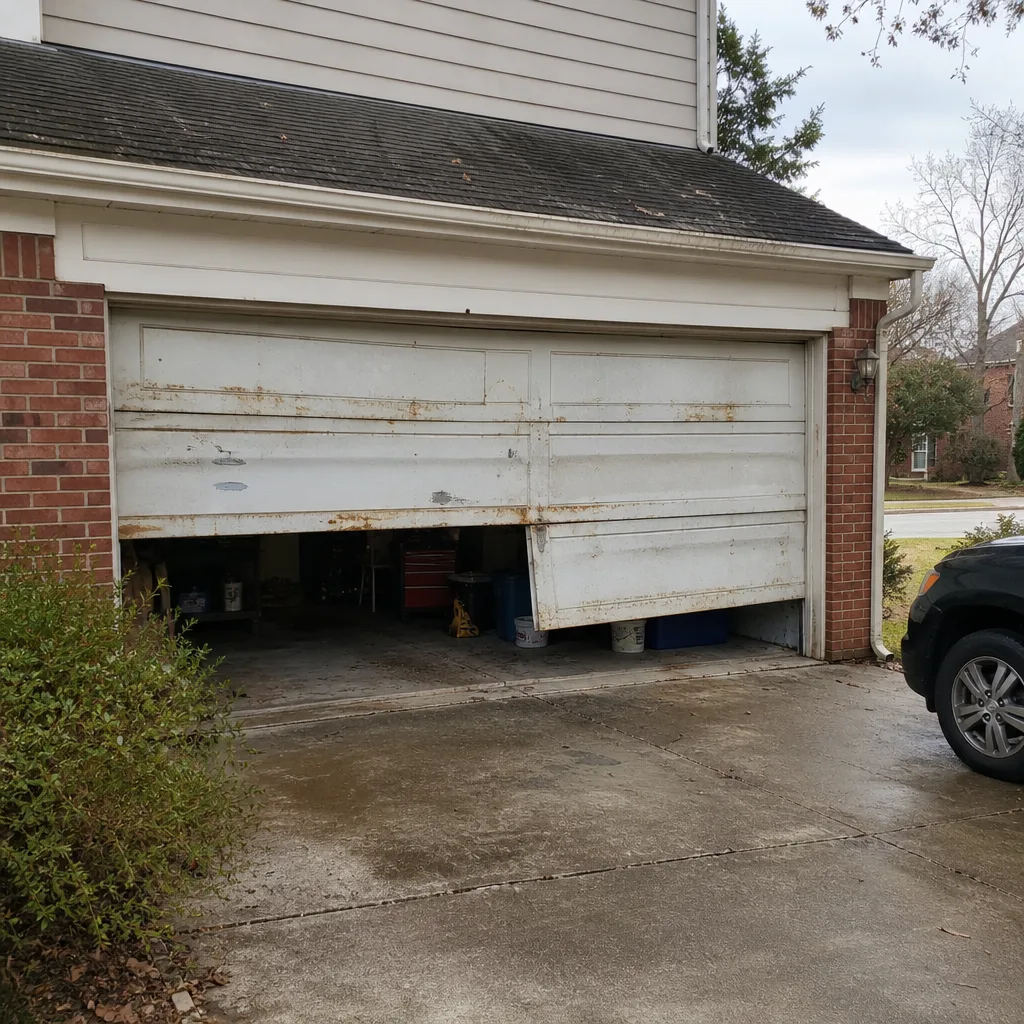 Before
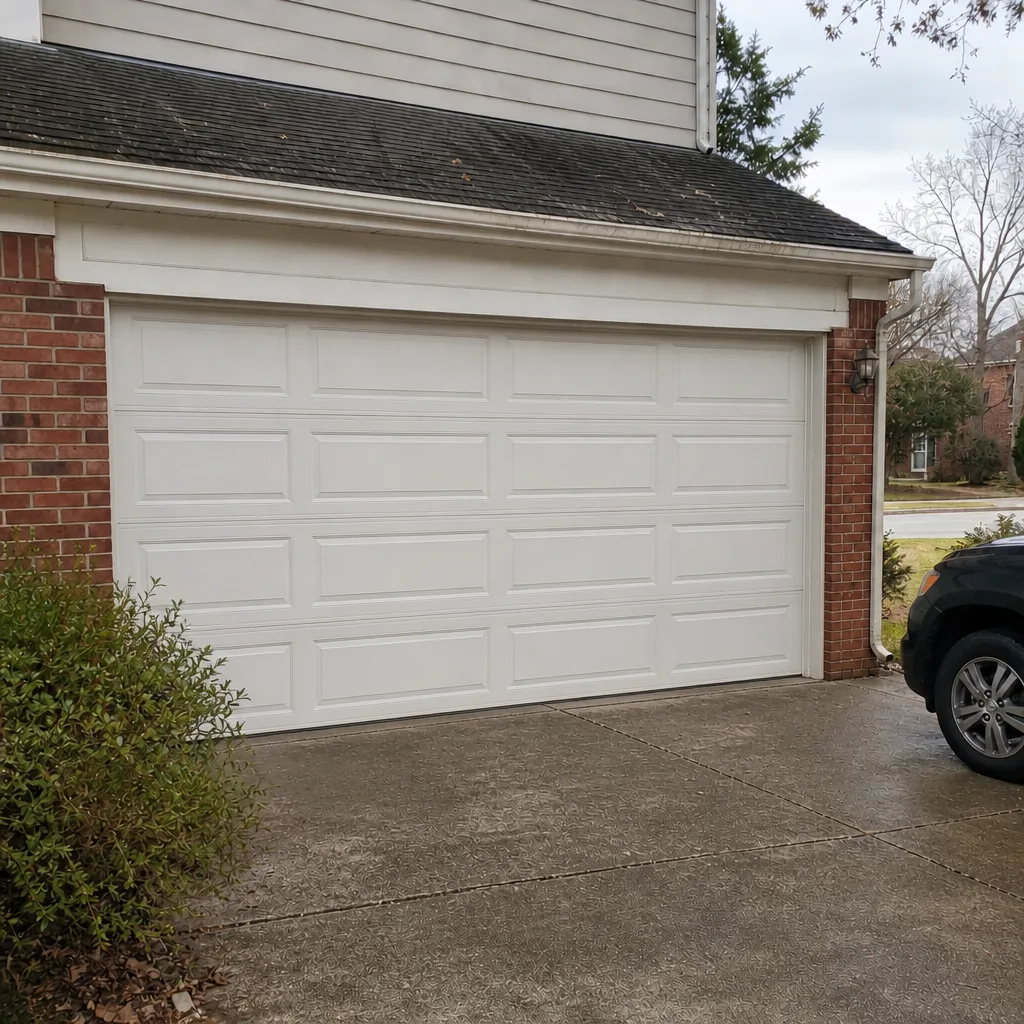 After
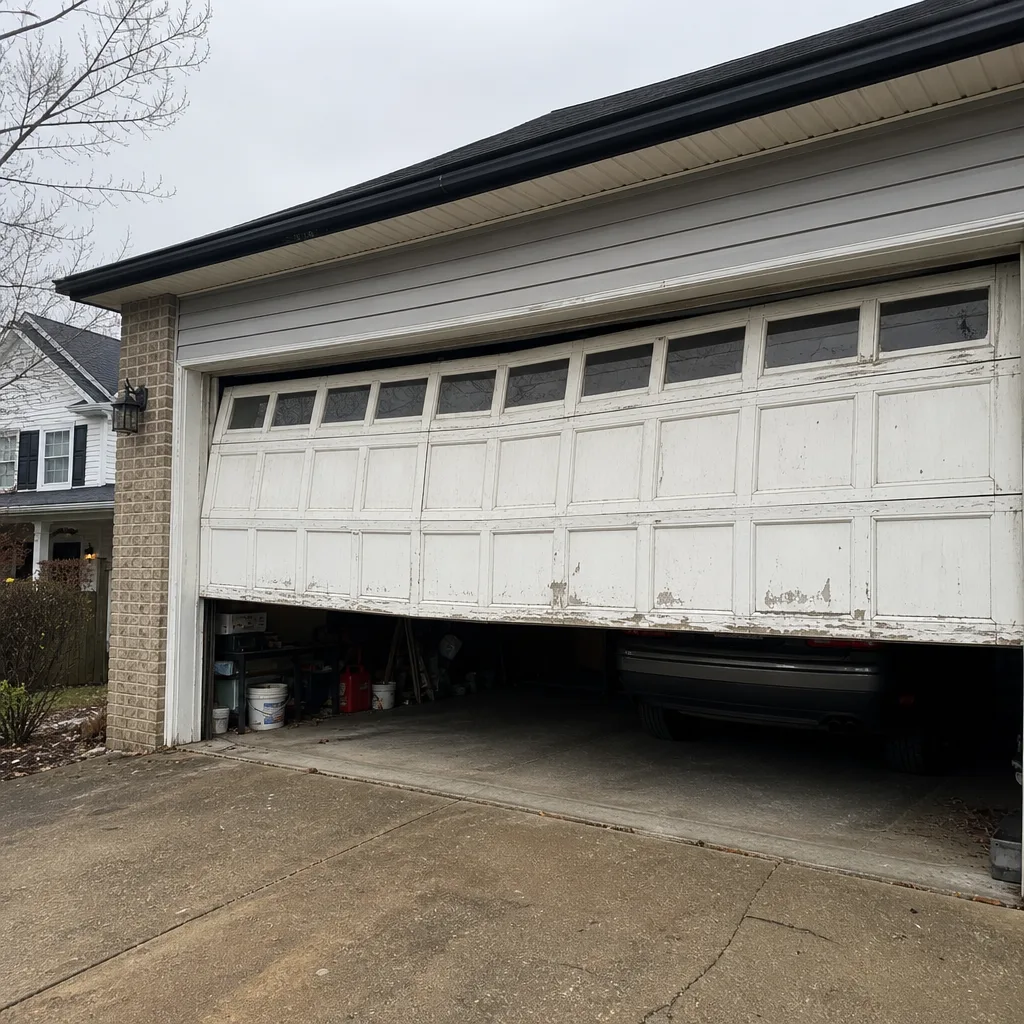 Before
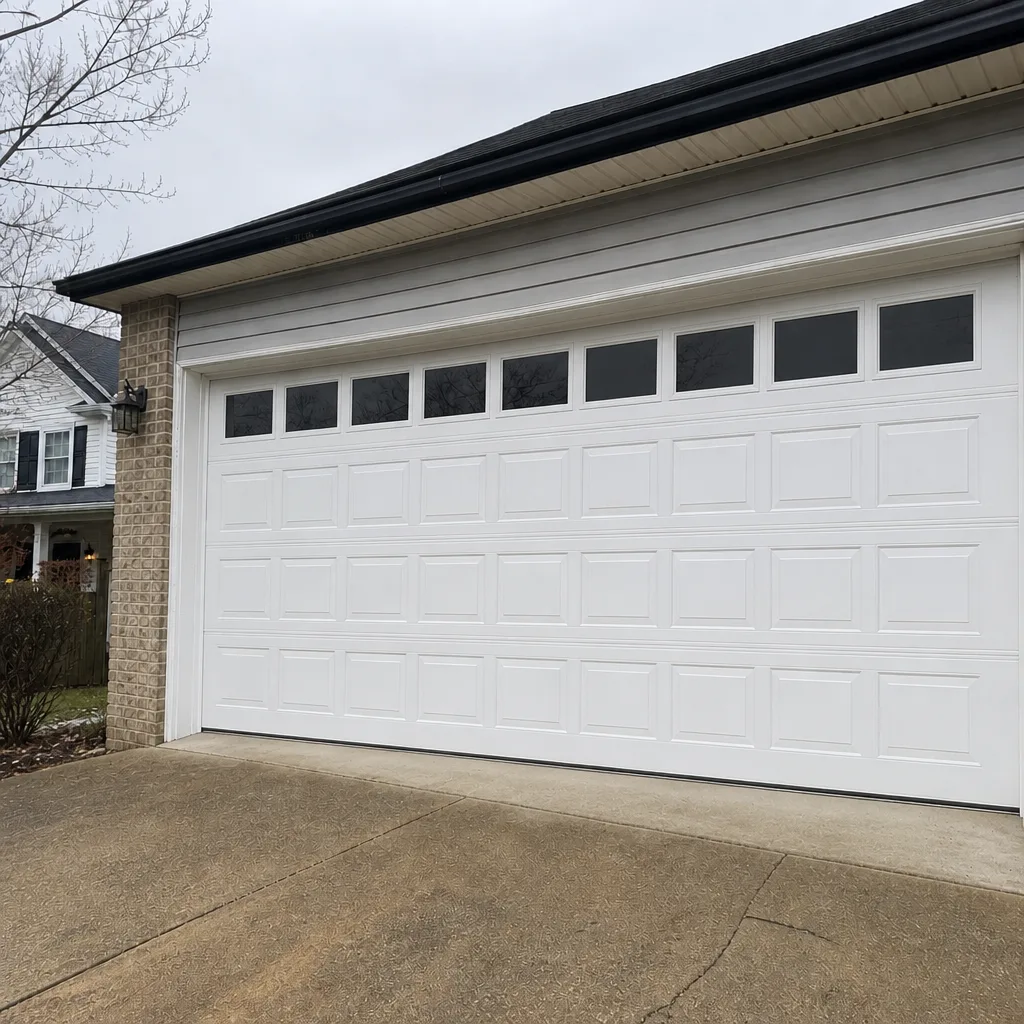 After
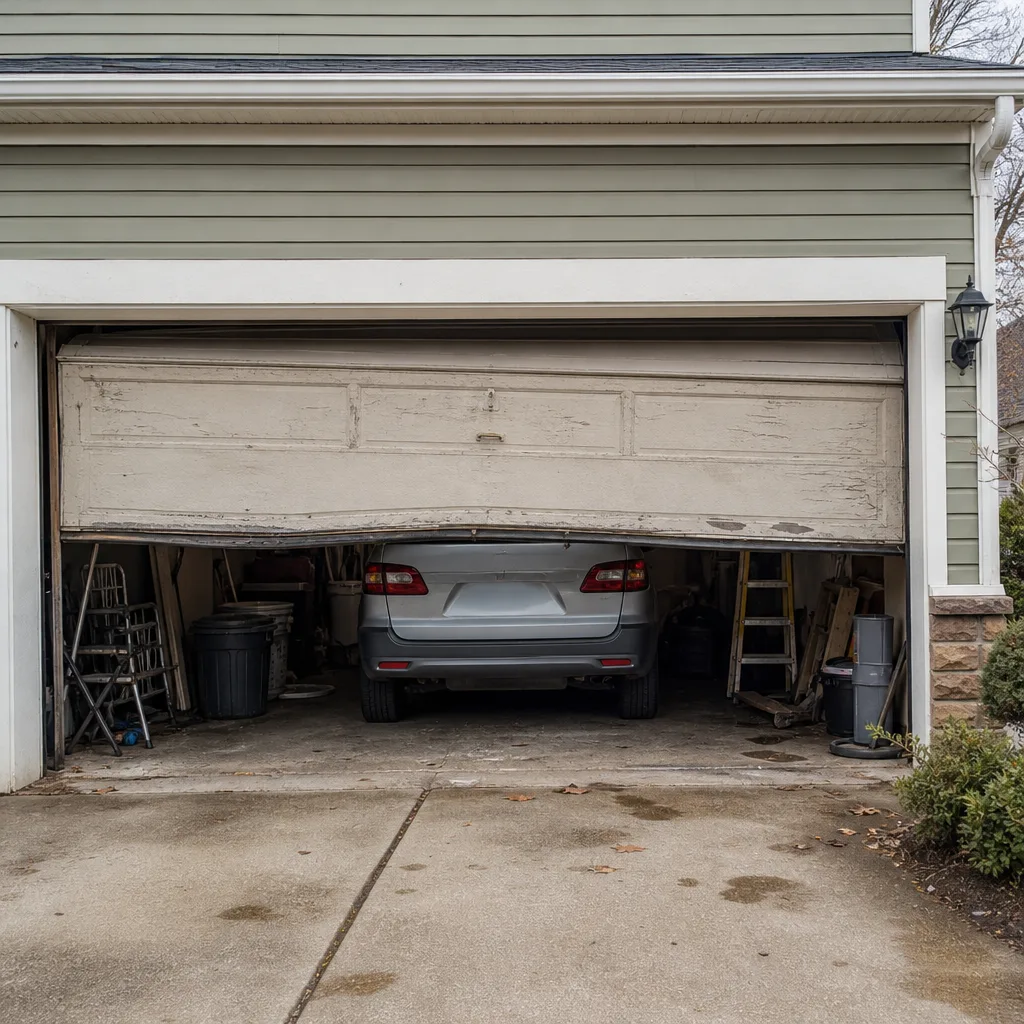 Before
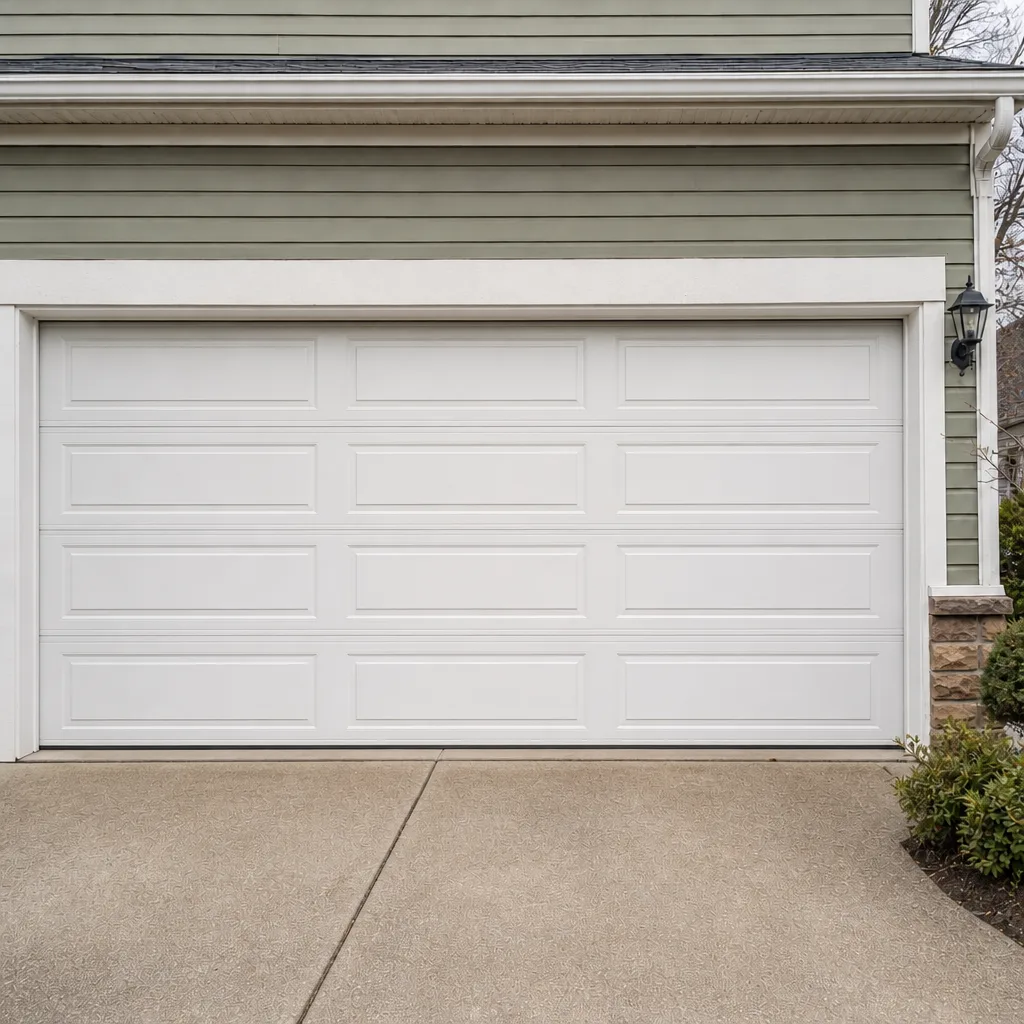 After
When to Call a Professional
Call a professional when the job involves springs, cables, or the opener’s electrical connection, and call before the county does if any of those areas are in question. Permitted or not, those are the parts of a garage door job where the physical risk is real and the code scrutiny is highest. Call when you’re uncertain whether you need a permit for the project you have in mind, and call before you order a door so the county’s review can run alongside the manufacturer’s lead time. Call if a home sale has surfaced unpermitted work, or if the inspection list from the county needs technical corrections. Ashburn Garage Door Repair Pros offers free estimates in Ashburn and can confirm the safety reverse, springs, and opener settings before any inspection. Call (855) 658-3404.
Frequently Asked Questions
It depends on whether the frame or opening is part of the job. A like-for-like door swap onto existing tracks and springs usually does not need a permit. A full door-and-frame replacement or any change to the structural opening generally does. Confirm with the Loudoun County building department before you order the door.
Usually not for a swap of the opener itself on an existing circuit, but running new wiring or a new receptacle for the opener can require a separate electrical permit. The automatic safety-reverse feature is the element inspectors care about most, and it comes up in any permitted garage door project. If you’re unsure, call Loudoun County and describe the scope exactly.
It can, and it usually shows up during the buyer’s inspection or the title search. Missing permit records or an open permit with no final inspection can delay settlement while the parties work out how to resolve it. Resolving it retroactively is a normal process, but it costs more time and money than pulling the permit up front.
They typically check the door and frame installation, the header or structural opening if it was altered, the opener’s safety-reverse function (both photocells and contact reverse), and the fire separation when the door sits between a garage and living space. Have the door fully commissioned with springs adjusted and the opener’s reversing test passing before the inspection.
No. The HOA architectural review and the Loudoun County building permit are two separate approvals and neither replaces the other. In communities like Brambleton and Broadlands you usually need both, and the HOA review is often the slower of the two. Get HOA sign-off before you pull the county permit.
The county will typically give you a correction list, and you get a re-inspection once the corrections are made. The most common fixes are opener safety-reverse settings and frame or header details. Our team can walk the job and confirm the corrections are complete before the re-inspection. Call (855) 658-3404. We answer 24/7, and fast dispatch from 7am to 7pm, Sunday through Friday, gets a technician out ahead of the county’s return visit.
The Bottom Line
The permit question in Ashburn comes down to one thing: does the job touch the frame or the structural opening? A like-for-like swap generally doesn’t need a permit. A full door-and-frame replacement, an opening alteration, or new opener wiring generally does. The Virginia Uniform Statewide Building Code governs the work through the IRC as adopted by Virginia, Loudoun County enforces it, and the county’s building department makes the final call on your specific project. The county inspection covers structure, safety reverse, and fire separation, and it takes a scheduled visit with a correction-and-re-inspection cycle if something fails. HOA approval in Brambleton, Broadlands, and other Ashburn communities runs on top of that and usually takes longer than the county permit. Do the HOA review first, pull the county permit if it applies, keep the closing documents, and you’ll have nothing to disclose down the road except a clean, compliant replacement.
If you’d rather not run the whole process alone, we can walk the scope, tell you what the county is likely to ask, and handle the technical side. Our technicians have up to 12 years of experience, and we work specifically on Genie, Clopay, Amarr, and Wayne Dalton doors as well as every other major brand. Call (855) 658-3404 for a free estimate. We answer 24/7. Fast dispatch from 7am to 7pm, Sunday through Friday.
Written by the team at Ashburn Garage Door Repair Pros.