
Last updated November 23, 2026
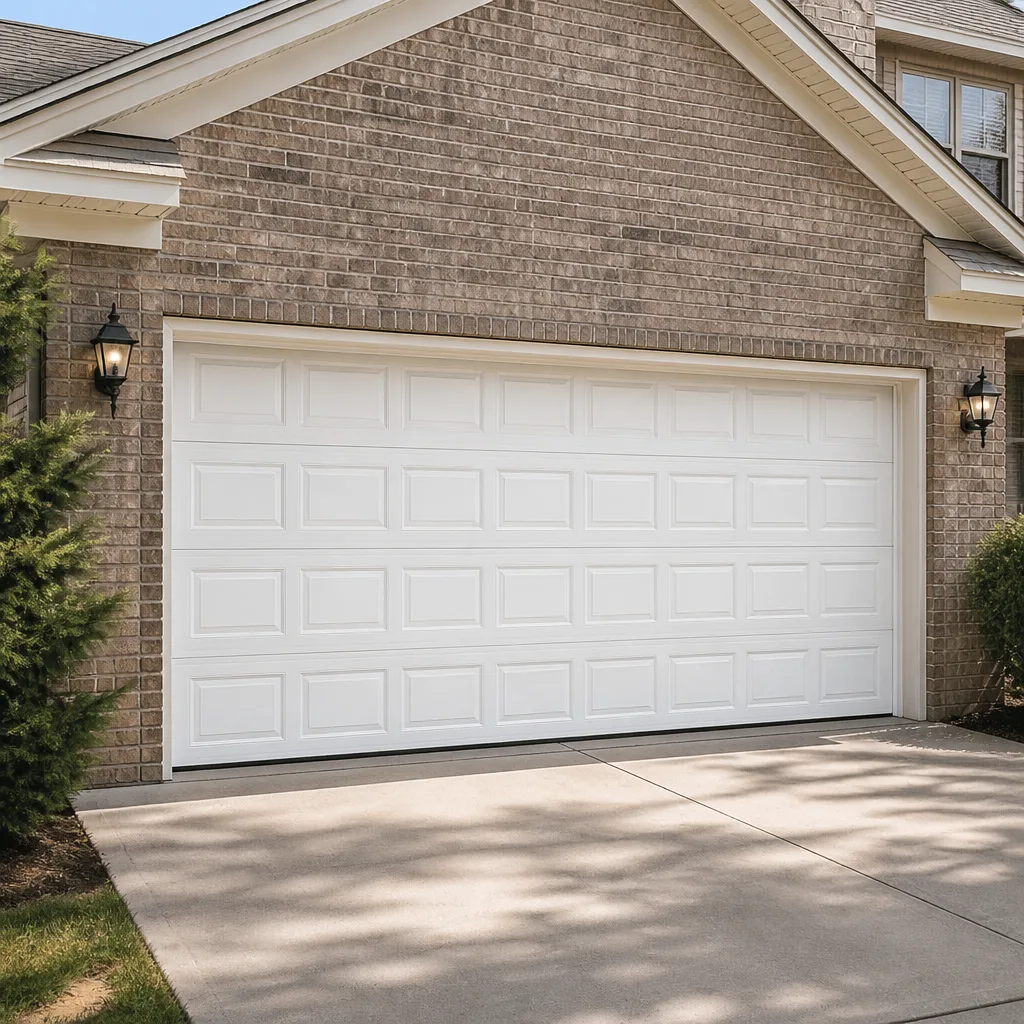 Raised-panel steel
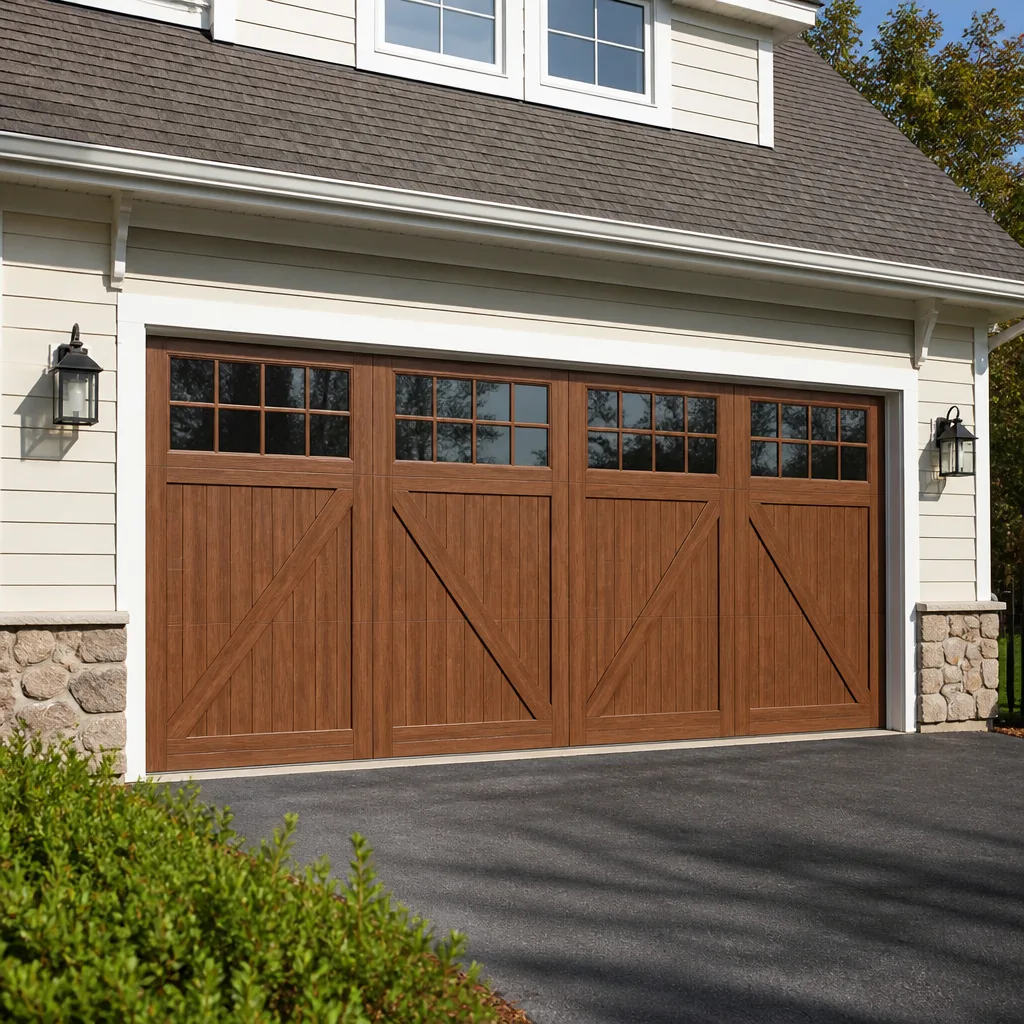 Carriage house
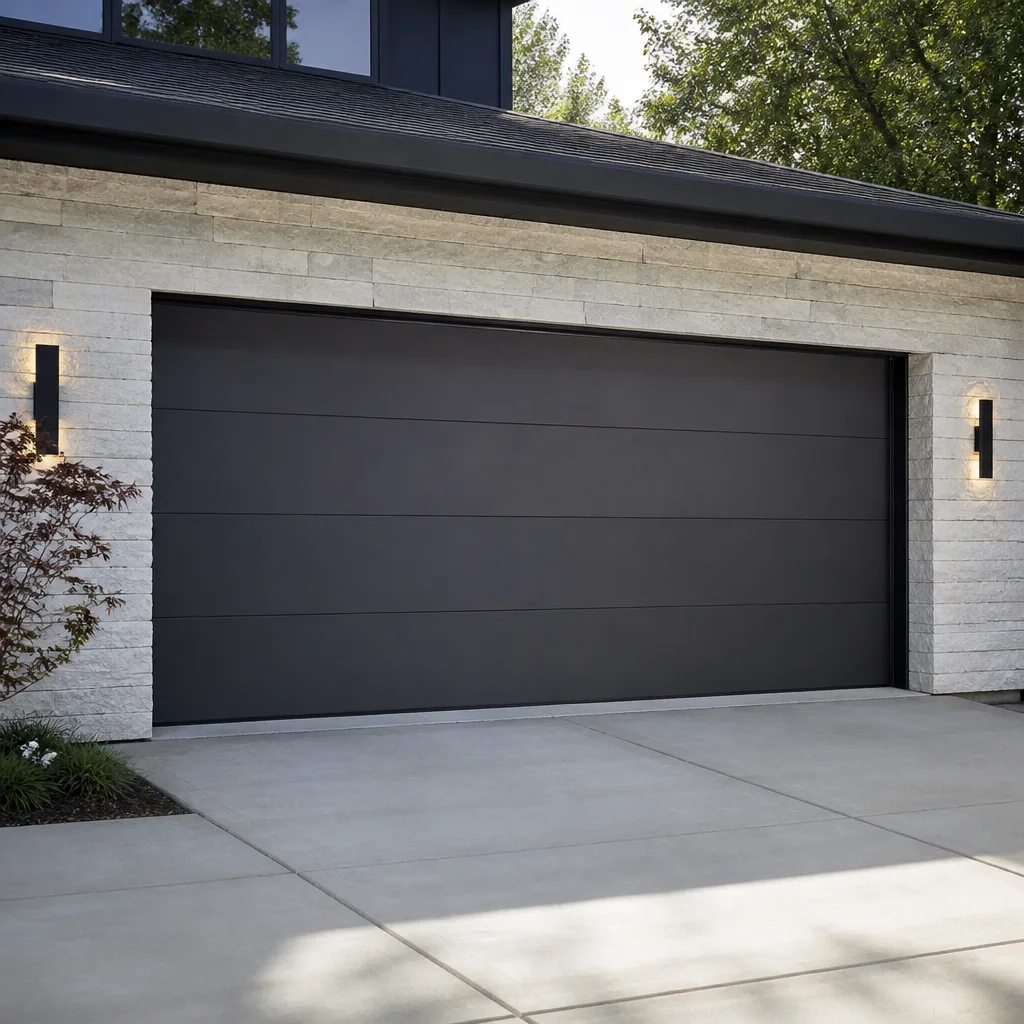 Modern flush
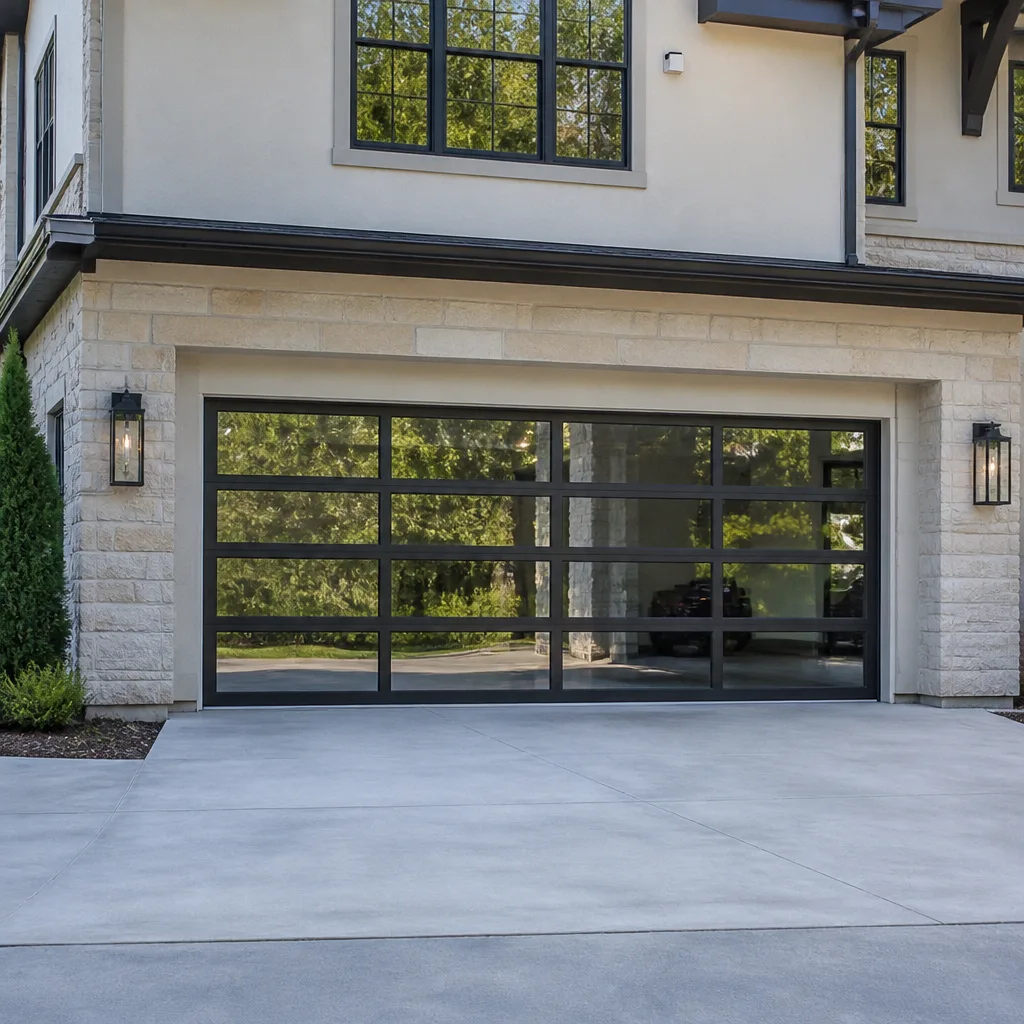 Full-view glass
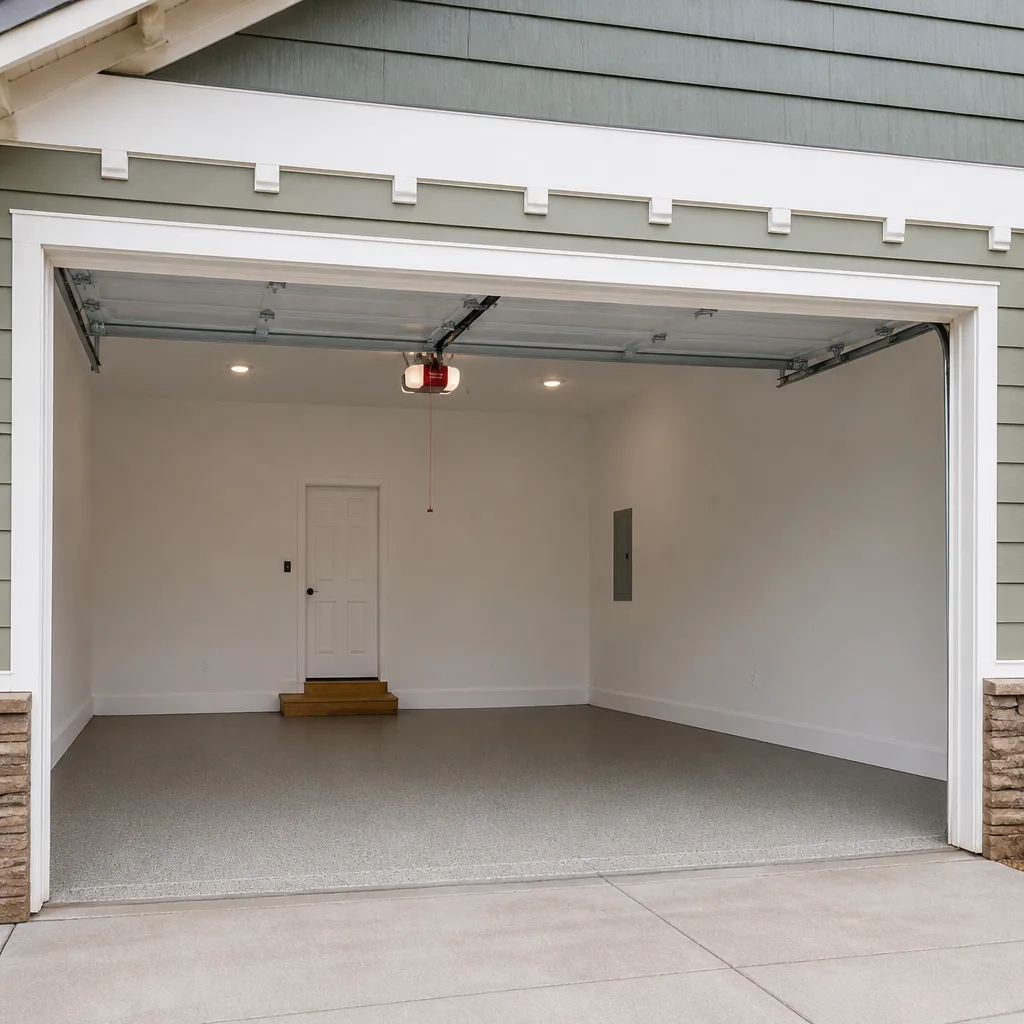 LiftMaster openers
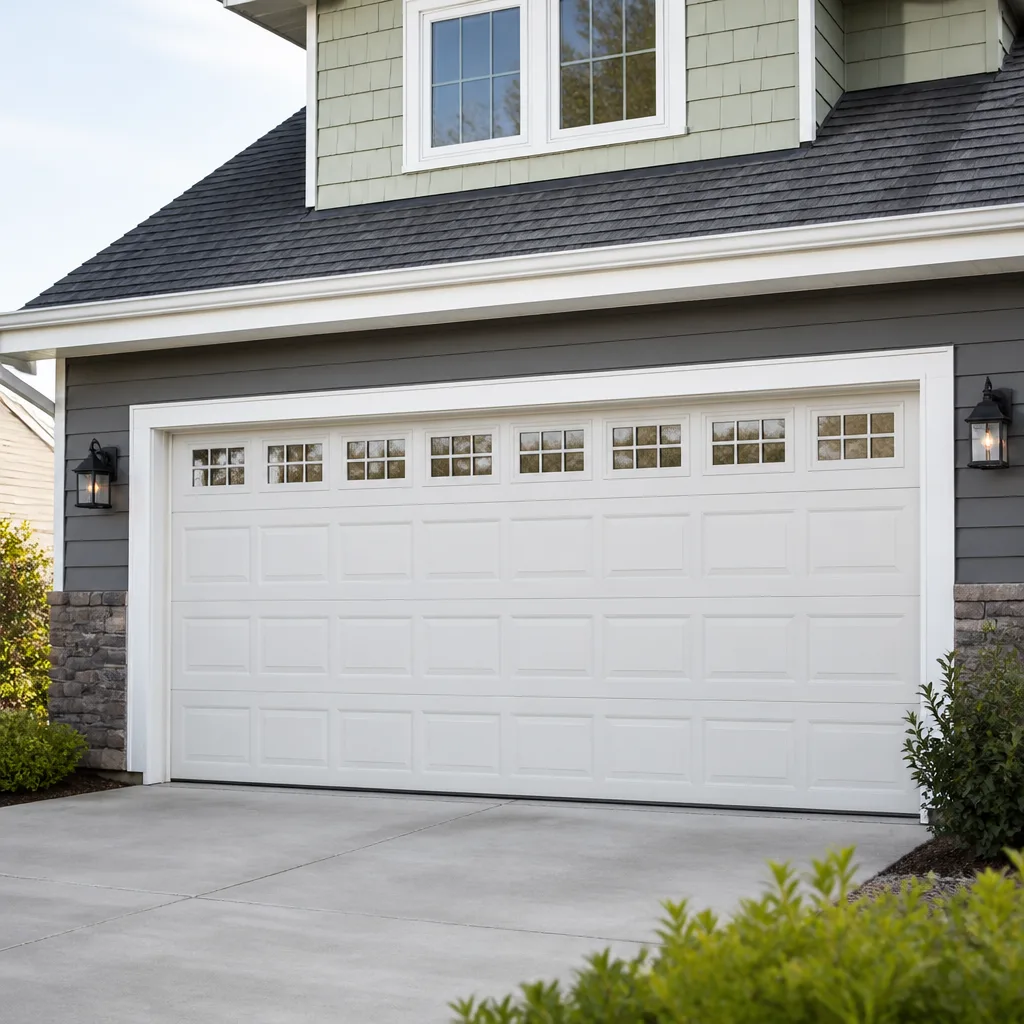 Chamberlain openers
Full 25-point door and opener safety check with every visit - springs, cables, rollers, tracks, and your LiftMaster or Chamberlain opener included
You get a price before we start. It does not change when the pro arrives.
Get your free estimateGarage Door Repair Maintenance Checklist for Ashburn Homeowners
A torsion spring under full tension stores a serious amount of energy – enough that adjusting one by hand can break a wrist or worse. Yet three of the most-shared garage door maintenance checklists online tell homeowners to “inspect the springs” without once mentioning that tensioning them is a job that sends people to the emergency room. That gap is the whole reason for this guide. Most checklists ignore which tasks are genuinely safe for you and which ones aren’t, and that distinction is exactly what we build around here. Below you’ll find a two-column approach for Ashburn homeowners: what you can reasonably do yourself, what needs a technician, which lubricants actually help versus which ones quietly damage your door, and how to test your safety sensors in under 90 seconds.
Quick Answer
A safe garage door maintenance checklist for Ashburn splits into two tracks: homeowner tasks like lubricating rollers and hinges, clearing tracks, and testing the auto-reverse and photo-eye sensors, and technician-only tasks like spring tension checks, cable inspection, and torsion hardware work. Do the safe half every season, document your door’s condition annually with photos, and call a specialist for anything involving springs, cables, or the opener’s internal gearing. Ashburn’s freeze-and-thaw swings make spring and fall the two most important times to run the full checklist.
Styles & brands we work with
- Raised-panel steel
- Carriage house
- Modern flush
- Full-view glass
- LiftMaster openers
- Chamberlain openers
Table of Contents
- The Two-Column Checklist: Safe DIY vs. Technician-Only
- Ashburn Seasonal Timing: When Heat and Freeze Cycles Hit Your Door
- The Right and Wrong Lubricants for Rollers, Hinges, and Tracks
- How to Test Auto-Reverse and Photo-Eye Sensors in Under 90 Seconds
- What to Photograph and Document Each Year
- Opener Maintenance by Brand: LiftMaster, Chamberlain, Genie, and Craftsman
- What Different Door Brands Need From a Maintenance Visit
- Getting Your Door Ready Before the First Hard Freeze
The Two-Column Checklist: Safe DIY vs. Technician-Only
The single most useful thing you can do for your garage door is stop treating every task as equal. Some jobs a careful homeowner can handle with a stepladder and an afternoon. Others carry real injury risk and belong to someone who does them every week. Splitting your checklist into these two columns is what separates maintenance that protects your door from maintenance that puts you in a cast.
Safe for homeowners
- Lubricating hinges, rollers, and the torsion bar bearing plates (never the springs themselves)
- Wiping down and inspecting the vertical and horizontal tracks for debris, dents, or misalignment
- Testing the auto-reverse and photo-eye sensors
- Tightening the bolts on the door’s hinge plates and roller brackets with a socket wrench
- Clearing leaves, snow, and grit from the bottom seal and threshold
- Checking that the manual release cord engages and disengages cleanly
- Listening for new sounds – grinding, popping, or a rhythmic squeak – and writing down when they started
Technician-only (do not attempt)
- Torsion spring adjustment or replacement. The spring above your door holds stored energy under load. One wrong move with a winding bar and the spring can release instantly. This is the task that injures the most DIYers.
- Extension spring inspection and replacement. Same stored-energy problem, different geometry. Never unhook or reattach an extension spring to “see if it’s still good.”
- Cable inspection and replacement. Cables are under hundreds of pounds of tension and can snap like a whip. A frayed cable you can see is already a call-a-pro situation.
- Track realignment after a bend or impact. Forcing a bent track straight can crack the door panel or throw off the door’s balance.
- Opener gear and sprocket replacement. The internal gearing in Chamberlain and Genie units needs disassembly, and a stripped gear is a symptom of a deeper load issue – not just a part swap.
- Panel replacement on a Clopay or Amarr door. Removing a panel means releasing the door’s structural tension. It’s not a bolt-off, bolt-on job.
If you’re ever unsure which column a task belongs in, treat it as technician-only. For anything on the right side, our garage door repair team handles spring, cable, and track work as core jobs – not as an afterthought added to a handyman’s list.
Ashburn Seasonal Timing: When Heat and Freeze Cycles Hit Your Door
Ashburn’s climate puts your garage door through two distinct stress windows each year. In late summer, the heat expands the metal tracks, the wood framing, and the door panels themselves, which can throw the door slightly out of square and make it rub where it didn’t in May. In January and February, the freeze-thaw cycle drives cold into the door, shrinks the tracks back, and stiffens every moving part – which is exactly when a marginal spring or a dry hinge decides to fail.
The practical calendar looks like this:
- Early September: Full lubrication of hinges, rollers, and bearing plates. This is your pre-winter oiling window – get the grease in before the first freeze locks everything up.
- Late September or early October: Test the auto-reverse and photo-eye sensors. Cold weather is when alignment drifts, and you want the safety system dialed in before you need it.
- November: Check the bottom seal for cracks and the threshold for gaps. A stiff, dried-out seal lets cold air and water into the garage all winter.
- March, after the last hard freeze: Re-check balance and listen for new noises. The spring that survived winter is often the one that fails in April when the temperature swings back up.
- May: Clean tracks, tighten hinge bolts that loosened over winter, and photograph the door’s current state for your annual baseline.
Re-tensioning is a technician task, not yours. If your door feels heavy when you lift it by hand with the operator disengaged, or if it doesn’t hold itself at the halfway point, the spring has lost some of its lift. In our experience that happens most often in Ashburn after a long summer of heat expansion followed by a hard cold snap. Call before it snaps – a tired spring that lets go is a bigger, costlier job than a spring that gets caught early.
The Right and Wrong Lubricants for Rollers, Hinges, and Tracks
The most common maintenance mistake we see is reaching for the WD-40 on the shelf. Standard WD-40 is a solvent and a light water displacer, not a lubricant – it strips the existing grease out of your hinges and rollers and leaves them running drier than before. That’s why a door “fixed” with WD-40 in June is squeaking louder by August. It also attracts dust into the tracks, which turns into a grinding paste over time.
Here’s what actually works, part by part:
- Hinges and roller stems: A lithium grease or a garage-door-specific spray lubricant. White lithium spray is the standard choice – it stays put and doesn’t run.
- Rollers (the wheel itself, on steel rollers): A few drops of light machine oil or the same lithium spray. Sealed nylon rollers generally need nothing at all – don’t force grease into a sealed bearing.
- Vertical and horizontal tracks: Nothing. Tracks should be wiped clean and dry. Grease in the tracks collects grit, and grit is what wears your rollers. If a track feels rough, wipe it with a rag and leave it.
- Torsion bar bearing plates (the metal brackets at each end, not the spring): A small amount of lithium grease applied with a rag. This is the one place a homeowner can lubricate near the spring safely.
- Never: WD-40 as a lubricant, cooking oil, motor oil on the tracks, or anything sprayed directly onto the torsion spring coils.
Lubricate twice a year, before summer heat and before the first freeze. In Ashburn that means roughly early June and early September. A 10-minute oiling in each window will quiet most doors and extend the life of every roller and hinge in the system.
How to Test Auto-Reverse and Photo-Eye Sensors in Under 90 Seconds
Your door has two safety systems, and both are testable in seconds with no tools. Do this monthly – it’s the single highest-value task on the homeowner side of the checklist.
Test 1: The photo-eye (contact reverse) test – 30 seconds
- Close the door using the wall button or remote.
- As the door descends, wave a broom handle or your leg across the beam between the two small lenses at the bottom of the tracks.
- The door should reverse immediately. If it keeps going, the sensors are misaligned, dirty, or wired wrong – stop using the door until it’s fixed.
Test 2: The mechanical auto-reverse (pressure) test – 30 seconds
- Lay a 2×4 flat on the floor in the door’s path.
- Close the door. When it contacts the board, it should reverse within about two inches of travel.
- If the door stops but doesn’t reverse, or if it slams before reacting, the opener’s force limit needs adjustment. On LiftMaster and Chamberlain units that’s a dial or a menu setting; on older Genie models it’s a pair of screws under the light cover.
A third quick check: confirm both photo-eye lenses have a solid (not flickering) LED. A flickering light means the beam is being interrupted – often by a cobweb, a leaf, or sunlight hitting the receiver at the same angle each afternoon. If the sensors pass both tests and the door still behaves oddly, the issue is usually in the opener’s logic board, and that’s a job for a specialist. Our garage door opener repair team diagnoses sensor and logic-board faults across LiftMaster, Chamberlain, Genie, and Craftsman systems.
What to Photograph and Document Each Year
If your door fails in January at 6am, the last thing you want to be doing is guessing whether that noise was always there. An annual photo record gives you a baseline, and it takes about ten minutes once a year.
Photograph these items each spring:
- Both torsion springs, straight-on, with the coils clearly visible. Note any visible gap or break.
- The torsion bar and both bearing plates, left and right.
- Every hinge, especially the ones at the top and bottom of each section.
- The roller stems at each hinge, so you can see the wear pattern.
- The bottom seal and threshold from inside and outside.
- Both photo-eye lenses, close enough to see the LEDs.
- The opener’s model label (usually on the back panel or motor housing) – this is what a technician needs when you call.
Write down the door’s brand and model as well: if you have a Clopay or Amarr door, or an opener from Chamberlain or Genie, that information changes which parts a technician brings and how the diagnosis goes. Keep the photos in a folder on your phone labeled “garage door” and update them every year. When something fails, you’ll know instantly whether the spring had a gap last spring or whether that roller was already worn.
Opener Maintenance by Brand: LiftMaster, Chamberlain, Genie, and Craftsman
Openers aren’t maintenance-free, but most of what they need is annual and simple – as long as you know your brand. We work on LiftMaster, Chamberlain, Genie, Craftsman, and Raynor systems specifically, and each has quirks worth knowing.
LiftMaster and Chamberlain (they share a lot of internal design) use a belt or chain drive with a logic board that handles the force limits and travel limits through a menu or a set of dials. The most common maintenance item is the drive gear – a nylon gear inside the motor housing that strips when the door is out of balance. If you hear a grinding whine and the door doesn’t move, that gear is likely the culprit. Lubricate the rail and check the belt tension annually; the logic board itself needs nothing.
Genie models range from older screw-drive units to modern belt drives. Screw-drive openers need the screw lubricated with the manufacturer’s grease (not generic lithium), and the carriage assembly should be checked for wear. Genie’s safety sensors use a slightly different alignment than LiftMaster’s, so the photo-eye lenses need a careful re-check after any track bump.
Craftsman openers are common on older Ashburn homes and often run on a chain drive with a mechanical force adjustment. The chain should be checked for slack annually and the rail lubricated lightly. On units with a battery backup, test the battery by unplugging the opener and cycling the door once – if it doesn’t move, replace the battery before winter.
For a full opener tune-up or a Wi-Fi and smart-home system that isn’t responding to the app, our team is the one to call. There’s no substitute for having the right brand logic in the room.
What Different Door Brands Need From a Maintenance Visit
The door itself – the panels, the framing, the hinges – matters as much as the opener when you set up a maintenance routine. Different manufacturers use different hinge styles, different panel materials, and different track geometry, and knowing which one you have changes how you care for it.
Clopay doors are common in the Ashburn area, especially on homes built in the newer subdivisions around Broadlands and Brambleton. Clopay’s steel panels hold paint well but the bottom seal and the hinges at the panel seams wear over time. On a maintenance visit, the hinge screws should be checked for looseness – Clopay’s steel hinges can work loose after a few winters of freeze-thaw.
Amarr doors, often installed on larger carriage-style openings, use a heavier hinge and a more substantial track system. The maintenance focus on an Amarr door is the track alignment and the roller wear – the door’s weight means any out-of-balance condition loads the rollers harder. If the door feels heavy, that’s a spring or balance issue, not a track issue, and it needs a technician.
Wayne Dalton doors often use a foam-core panel construction that’s lighter than steel, which puts less stress on the springs but means the panel seams need a look every year for water intrusion. Raynor doors tend to use heavier-gauge track and are common on larger two-car openings.
Whenever you’re unsure of your door’s brand or model, check the sticker inside the door frame or on the end stile of the bottom panel. That information is what lets a technician arrive prepared, and it’s what turns a diagnostic visit into a maintenance visit.
Getting Your Door Ready Before the First Hard Freeze
Ask anyone who’s had a garage door fail in January whether they’d trade an hour in October to avoid it. Northern Virginia’s freeze-thaw cycle is the hardest part of the year on your door – cold stiffens the grease, shrinks the tracks, and puts the peak load on the springs just as they’re most brittle. The prep work matters most in the weeks before that first hard freeze.
Run this sequence in late October or early November:
- Lubricate every hinge, roller stem, and bearing plate. The goal is to have fresh grease in place before the cold thickens the old stuff and it can’t flow into the joints.
- Test both safety systems. A cold garage can affect photo-eye alignment, and you want to catch a drifting sensor before the first morning it matters.
- Check the bottom seal for cracks or a gap at the threshold. Replace it now, not in February. A stiff seal lets in cold air and melts snow that refreezes on the floor.
- Look for any visible spring gap or frayed cable. Don’t touch them – just photograph and note. A spring that shows a gap or a cable with visible wire strands is a same-week call to a professional.
- Test the opener’s battery backup if it has one, by unplugging the unit and cycling the door once.
- Clear the tracks of any debris and wipe them dry.
If anything in that sequence concerns you, that’s the moment to call. A garage door installation or replacement conversation in the fall costs far less than a mid-winter emergency, and it lets you plan around your schedule instead of a broken door’s.
Common Mistakes to Avoid
- Using WD-40 as a lubricant. It’s a solvent, and it strips the grease out of your hinges and rollers. Use white lithium grease or a garage-door-specific lube instead – your door will run quieter and last longer.
- Greasing the tracks. A common instinct, and a wrong one. Tracks should be clean and dry; grease traps grit and turns your rollers into grinding wheels.
- Adjusting the springs yourself. This is the one that sends people to the hospital. A torsion spring under load has no safe DIY path – leave it to a technician, every time.
- Skipping the seasonal lubrication before the first freeze. Ashburn’s winters are cold enough that a door that ran fine in September can start grinding by December. The pre-winter oiling is what prevents that.
- Ignoring a bent track as “it still works.” A bent track accelerates roller wear and can throw the door out of alignment. Get it checked before it becomes a panel problem.
- Not writing down the door and opener brand. When something fails, knowing whether you have a Clopay or Amarr door, or a Chamberlain or Genie opener, is what lets a technician arrive with the right parts and the right diagnostic path.
- Skipping the annual photograph. Without a baseline, every new noise feels like a crisis. Ten minutes in the spring saves hours of worry in the winter.
See the difference
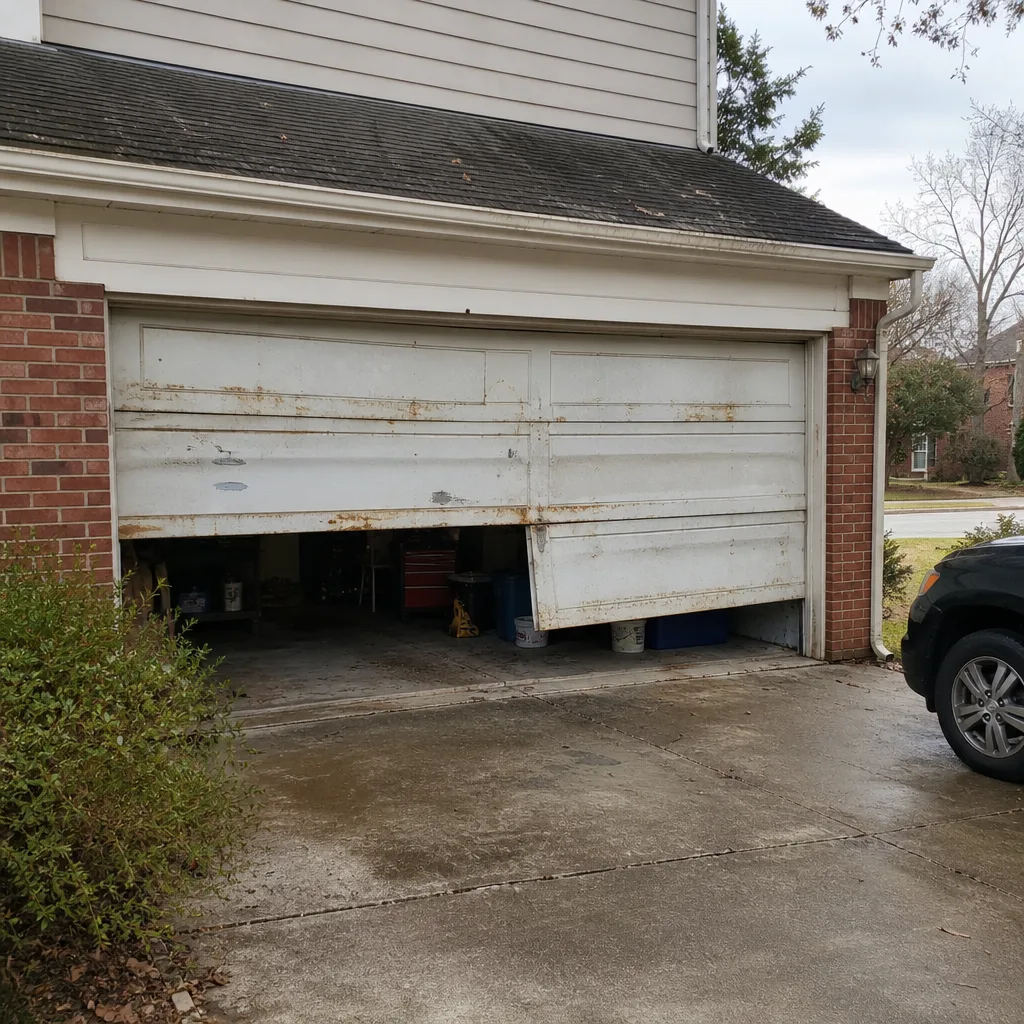 Before
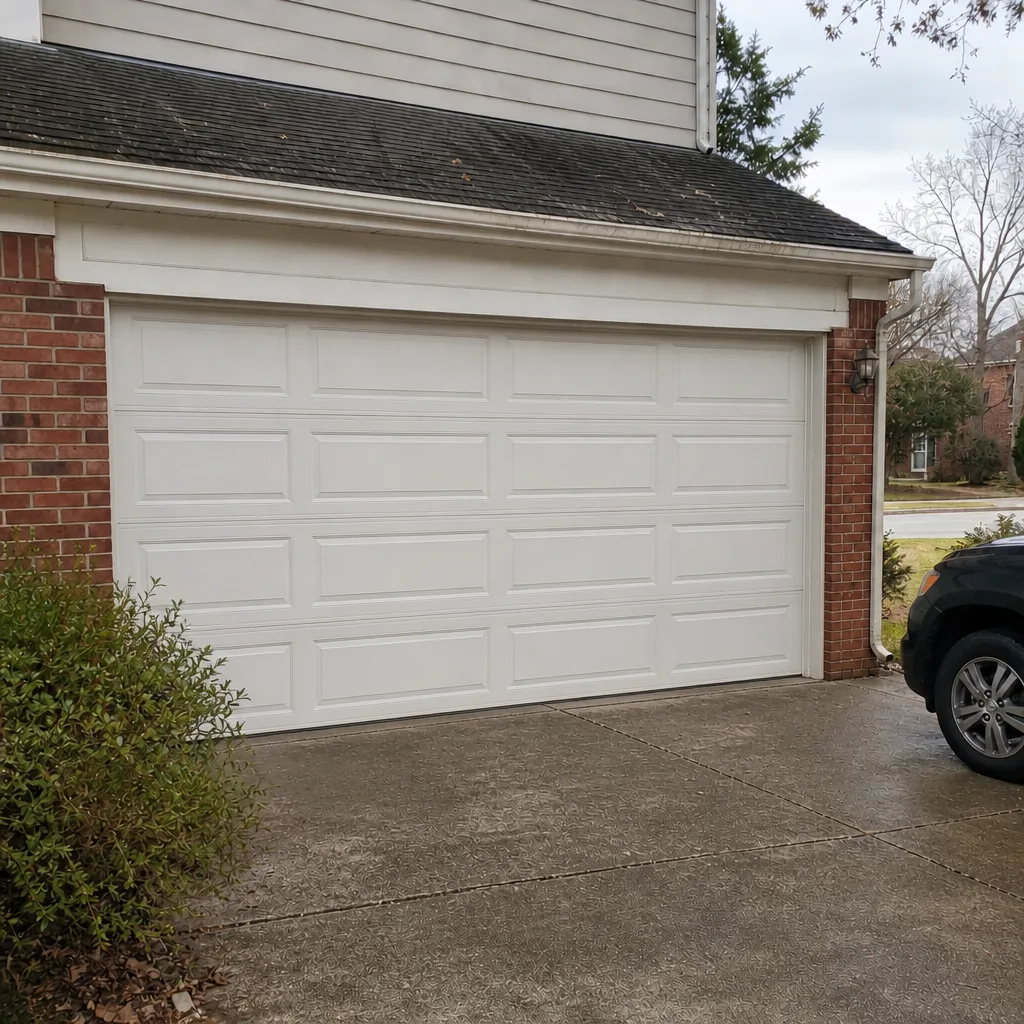 After
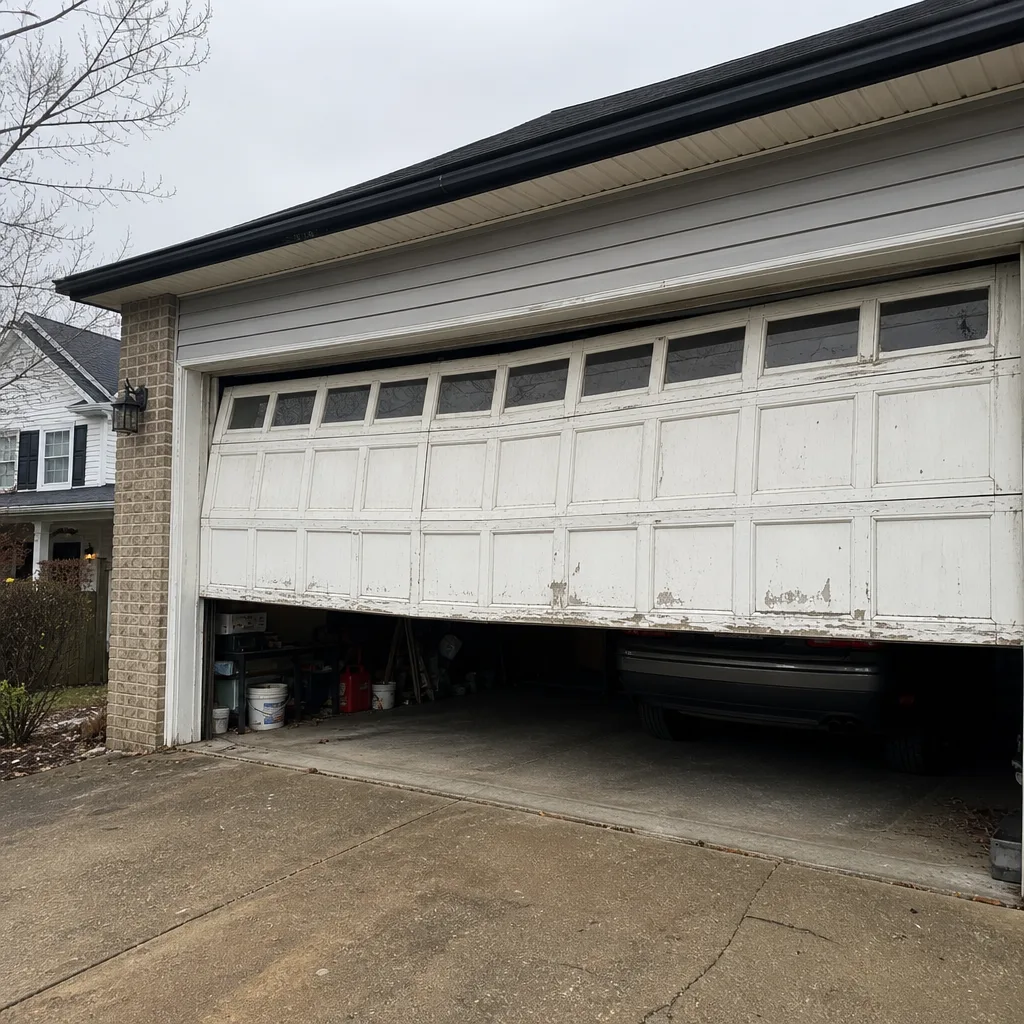 Before
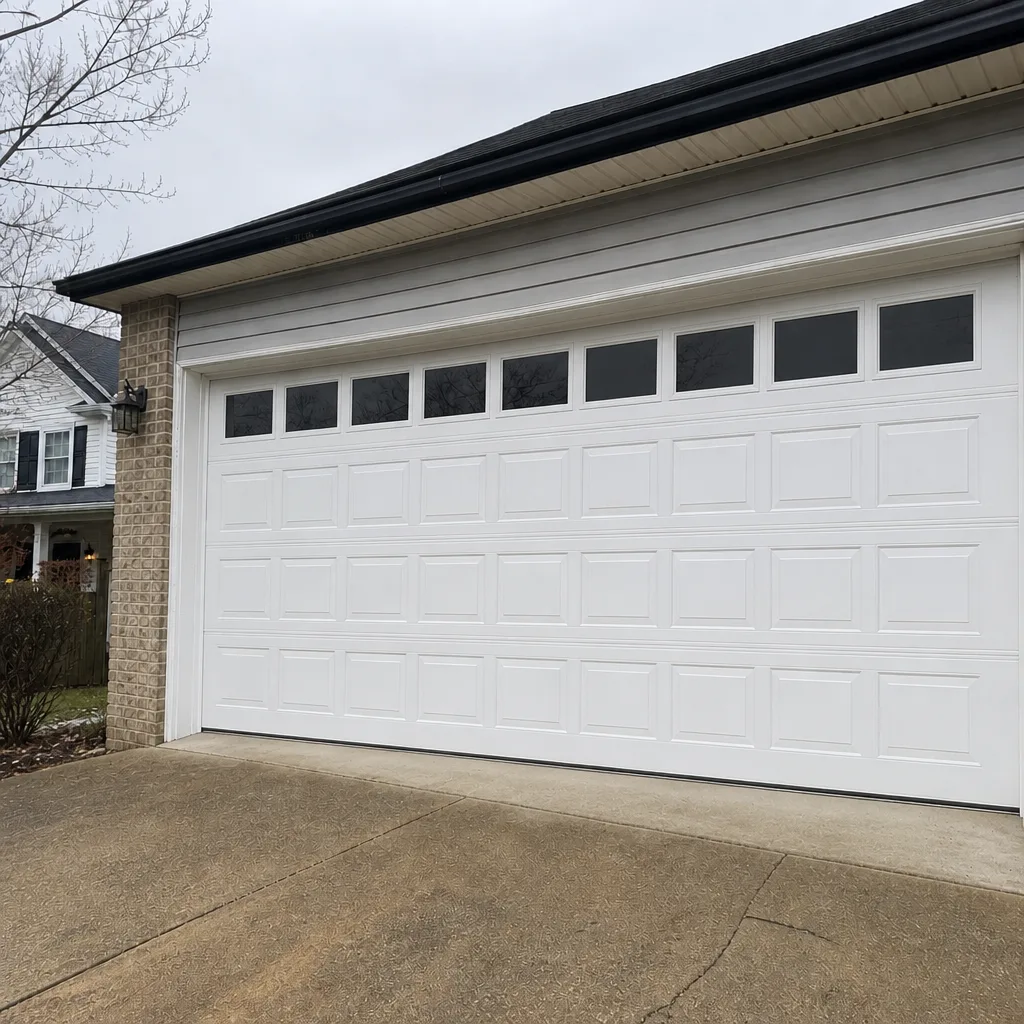 After
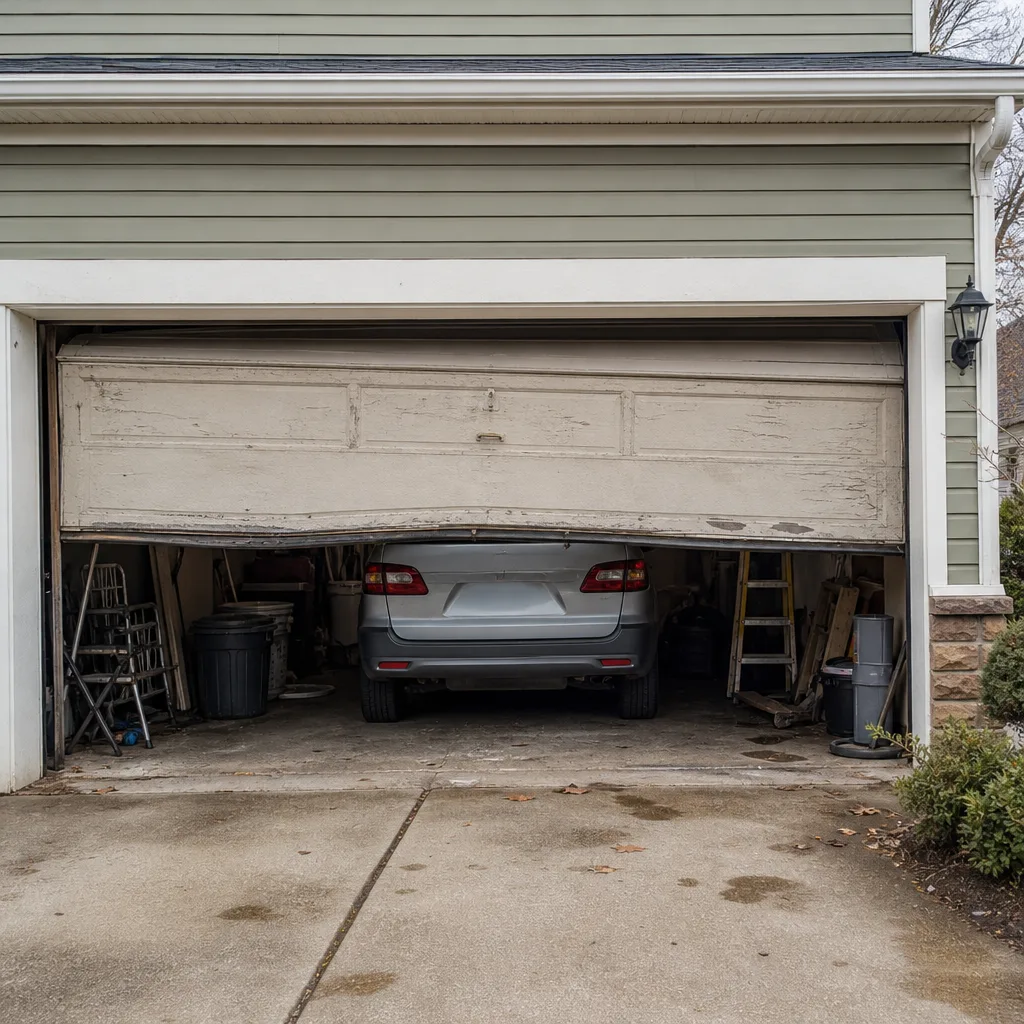 Before
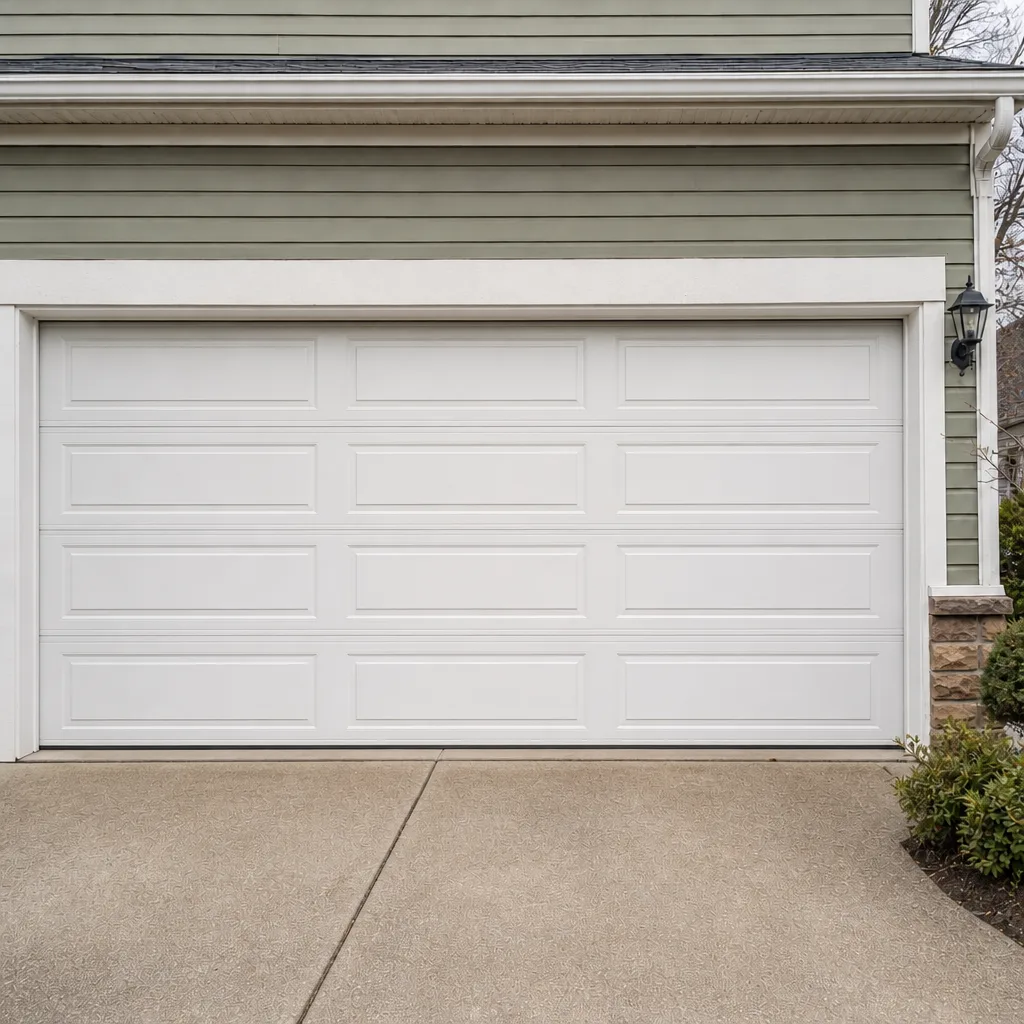 After
When to Call a Professional
Call for anything involving a spring, a cable, a bent track, or an opener that won’t respond to its own controls. Those are the four categories where DIY turns dangerous or where a small problem turns into a panel replacement. Also call if your door feels noticeably heavier than it used to, if it doesn’t hold its own weight at the halfway point, or if you hear a loud pop from the spring area – the door may still run, but the spring is on borrowed time. Ashburn Garage Door Repair Pros offers free estimates in Ashburn – call (855) 658-3404. We answer 24/7. Fast dispatch from 7am to 7pm, Sunday through Friday. Every price is quoted and agreed before any work starts, and the written estimate sets the final number. Our technicians have up to 12 years of experience across the major brands, and spring work is a core part of what we do, not a side job.
Frequently Asked Questions
Twice a year, ideally in early June before summer heat and early September before the first freeze. Ashburn’s temperature swings are the reason for the September timing – fresh grease in place before the cold hits is what keeps the door running quietly through the winter. A light application on hinges, roller stems, and bearing plates takes about ten minutes.
No. You can wipe down the bearing plates at the ends of the torsion bar, but never apply lubricant directly to the spring coils or touch the spring itself. A torsion spring under tension holds stored energy, and the coils are the danger zone – this is a technician-only part of the door. Call (855) 658-3404 if your spring is noisy or you suspect a problem; estimates are free.
Close the door and wave a broom handle across the photo-eye beam as it descends; the door should reverse immediately. Then lay a 2×4 flat on the floor in the door’s path and close the door – it should reverse within about two inches of contact. Both tests take under 90 seconds combined and need no tools.
Yes for repairs – spring, opener, and track issues are typically same-day work when you call early. We answer 24/7 and dispatch Sunday through Friday from 7am to 7pm. For a new door or a full replacement, the timeline is different: a technician measures first, the door is ordered, and we schedule the install. Call (855) 658-3404 for a free estimate on either.
No. We quote and agree the price before any work starts, and the written estimate sets the final number. If we find something the initial call didn’t cover – a bent track hiding behind a panel, for example – we’ll tell you before we touch it and give you a new written number before we proceed.
First, check the photo-eye sensors – a dirty lens, a misaligned lens, or a leaf in the beam is the most common cause. If the sensors look clear and the door still won’t close, it’s an opener or track issue. Call (855) 658-3404 and we’ll diagnose it. Don’t force the door closed; a misaligned track can crack a panel.
The Bottom Line
Maintenance is about matching the task to the right hands. Homeowners can lubricate, test sensors, clean tracks, and keep a photographic record – and those four habits prevent most winter failures. Springs, cables, track straightening, and opener gearing belong to a technician every time, because the risk isn’t worth the savings. In Ashburn, time your lubrication and sensor tests to the seasonal calendar: pre-summer and pre-freeze. Know your door’s brand and opener’s model, and photograph both once a year. That’s the checklist that keeps your door running quietly and safely through every freeze and heat wave. When something needs a specialist, our team at Ashburn Garage Door Repair Pros is one call away – free estimates, written pricing, and a fast response on the repairs that can’t wait.
Call (855) 658-3404 for a free estimate. We answer 24/7. Fast dispatch from 7am to 7pm, Sunday through Friday.
Written by the team at Ashburn Garage Door Repair Pros.